
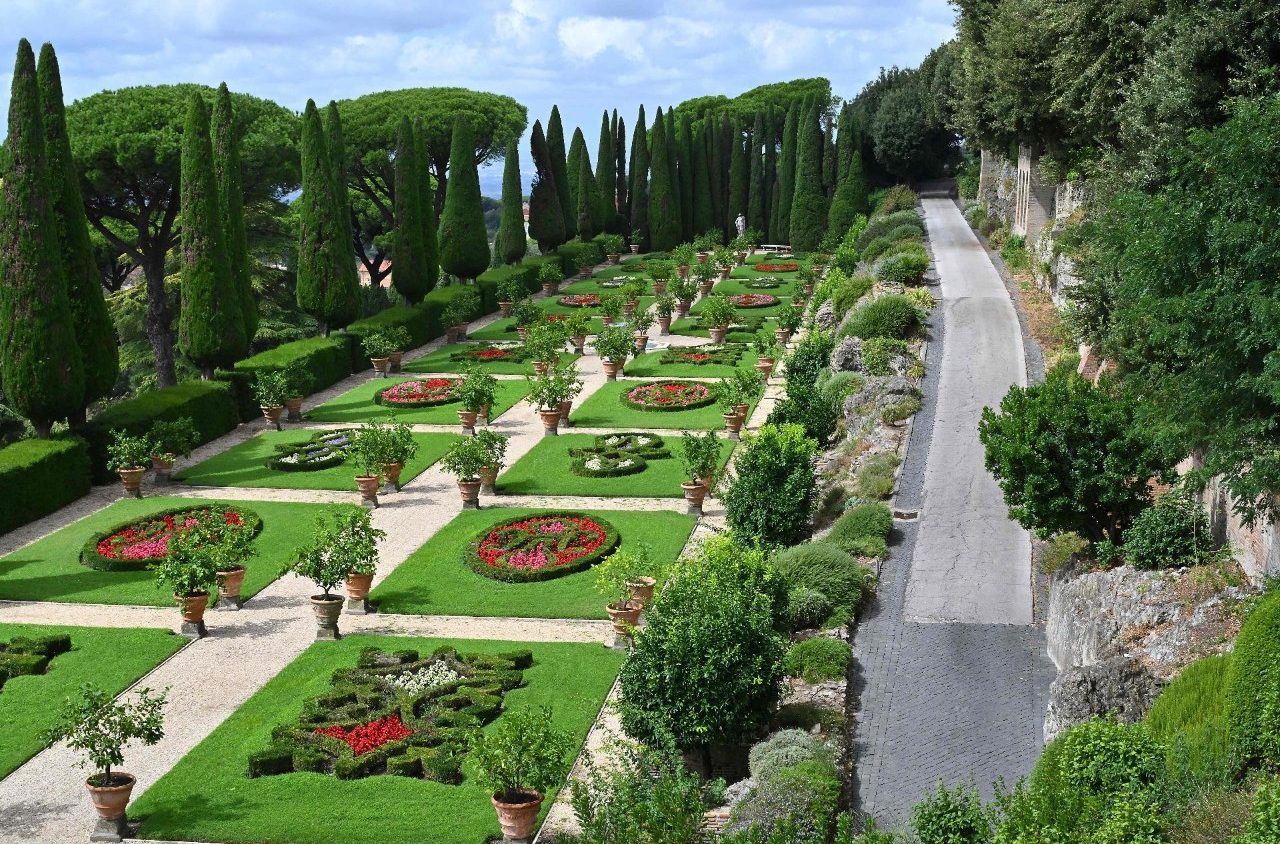
The Vatican is set to host a historic gathering of global leaders, Nobel laureates, and artificial intelligence experts at Borgo Laudato si’, located in the Pontifical Gardens of Castel Gandolfo. From 14 to 16 July, over 200 influential figures from diverse fields will convene for the Global Nobel Laureates Assembly on Artificial Intelligence and Nuclear War. This unprecedented event is expected to shape discussions around global security, ethical AI governance, and disarmament in an era of increasing technological complexity.
A Unique Convergence of Minds
The assembly marks a rare intersection of science, ethics, and geopolitics, bringing together individuals who have shaped modern thought across disciplines. Among the participants will be 30 Nobel laureates, former heads of state, and leading AI researchers from organizations such as OpenAI, Google DeepMind, AARU, and Anthropic. These experts will join representatives from over 30 prestigious universities and research institutions, including Harvard University, Stanford University, and the University of Oxford.
The event is inspired by Pope Leo XIV’s new Encyclical Magnifica humanitas, which emphasizes safeguarding the human person in an age dominated by artificial intelligence. This papal vision aligns with the broader goal of fostering a “disarmed and disarming peace,” as outlined in the assembly’s agenda. The discussions will take place in a context marked by global conflicts, rising geopolitical tensions, and an increasingly complex nuclear landscape.
A Focus on Global Security and Ethical Innovation
At the heart of the assembly’s discussions will be the urgent need for international cooperation in managing emerging technologies. Participants are expected to explore how artificial intelligence can be harnessed responsibly while mitigating risks such as autonomous weapons systems and digital surveillance. The event will also address the governance of nuclear arsenals, emphasizing disarmament efforts and the development of new protocols to ensure global stability.
One of the key outcomes of the assembly will be the drafting of the Rome Declaration for a Disarmed and Disarming Peace in the Age of Artificial Intelligence, Nuclear and Autonomous Weapons, New Digital Protocols, and Emerging Models of Digital Development. This declaration is intended to serve as a guiding framework for future policy decisions, promoting cooperation among nations while upholding human dignity and integral development.
The declaration will also emphasize the importance of digital ethics, particularly in light of growing concerns about data privacy, algorithmic bias, and the societal impact of AI-driven technologies. By integrating insights from both scientific innovation and ethical philosophy, the assembly aims to create a balanced approach that prioritizes peace over profit and security over short-term gains.
A Global Coalition for Peace and Progress
The initiative is supported by a coalition of prominent organizations, including the Nobel Laureates Assembly for the Prevention of Nuclear War, the Nobel Women’s Initiative, the International Physicians for the Prevention of Nuclear War (IPPNW), Pugwash Conferences on Science and World Affairs, the Yunus Centre, and Soka Gakkai International. These groups have long advocated for responsible technological development and nuclear disarmament.
The Domus Communis Foundation is serving as the General Secretariat for the event, ensuring logistical coordination and facilitating dialogue among participants from diverse backgrounds. The inclusion of academic institutions such as the University of Chicago Existential Risk Laboratory and Harvard Medical School underscores the interdisciplinary nature of the discussions, which will span philosophy, political science, public health, and computer science.
This collaboration reflects a growing recognition that technological progress must be accompanied by ethical oversight and international cooperation. By bringing together leaders from different sectors, the assembly seeks to foster a shared vision for a future where innovation serves humanity rather than threatens it.
A Call for Responsible Innovation
The discussions at the Global Nobel Laureates Assembly will also address the broader implications of AI on economic development and societal well-being. Participants are expected to explore how emerging technologies can be leveraged to promote sustainable growth, reduce inequality, and enhance quality of life. This includes examining new models of digital development that prioritize human-centered design over algorithmic efficiency.
In an age where artificial intelligence is increasingly shaping decision-making processes in finance, healthcare, and governance, the need for ethical frameworks has never been more urgent. The assembly will provide a platform to debate how these technologies can be regulated to prevent misuse while ensuring they remain accessible and beneficial to all.
The event also highlights the importance of public engagement in technological development. By involving civil society organizations, academic institutions, and international bodies, the assembly aims to ensure that AI governance is not left solely to corporate interests or state actors but becomes a collective responsibility.
Interesting Reads
Looking Ahead: A New Paradigm for Global Cooperation
As the world grapples with the dual challenges of nuclear proliferation and rapid technological change, the Global Nobel Laureates Assembly represents a critical step toward building a more secure and equitable future. The Rome Declaration is expected to serve as a foundational document that guides international efforts in AI governance, disarmament, and digital ethics.
For readers interested in the intersection of technology and global policy, this event offers valuable insights into how leading minds are shaping the next phase of human progress. As the assembly unfolds over the coming days, its outcomes will likely influence discussions at international forums such as the United Nations and the World Economic Forum.
In conclusion, the Global Nobel Laureates Assembly on Artificial Intelligence and Nuclear War is more than just a meeting—it is a pivotal moment in the ongoing dialogue about how to responsibly navigate an increasingly complex technological landscape. By uniting experts from across disciplines, the Vatican has created a unique space for reflection, collaboration, and action. As the world watches this gathering unfold, it is clear that the path toward peace and ethical innovation will require sustained effort, shared vision, and global cooperation. Readers should keep an eye on the Rome Declaration and its potential impact on international policy in the years to come.
Original Source
This article is based on publicly available reporting. For the complete original story, visit the publisher’s article.
Leave a Reply