
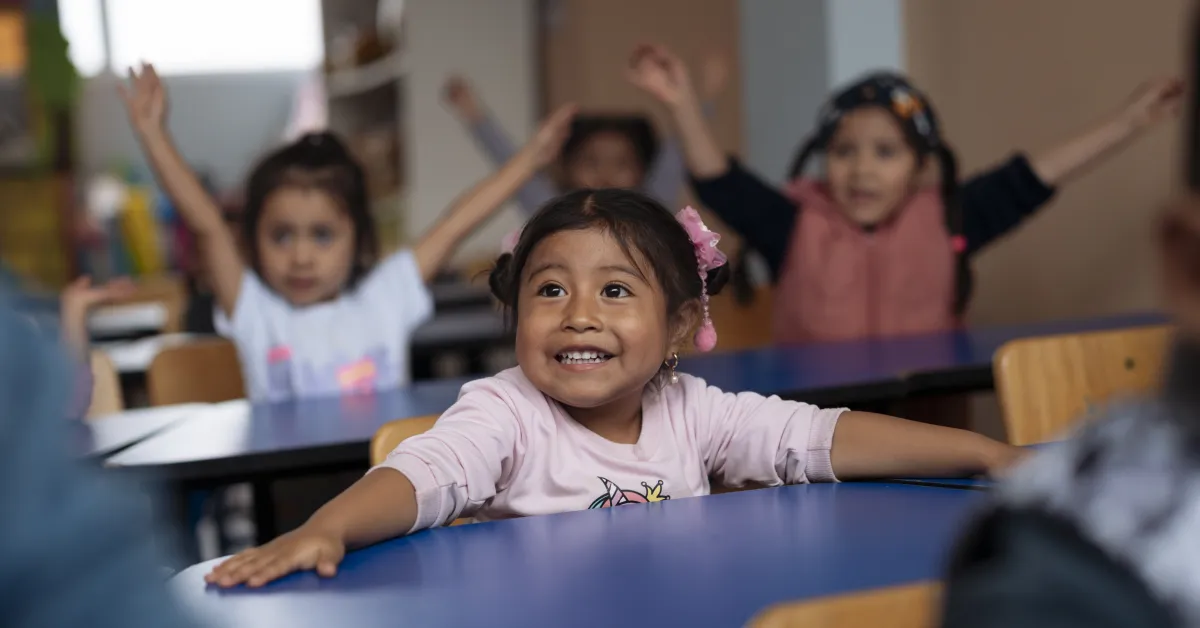
In an effort to address the growing role of technology in shaping modern education, UNESCO and its Institute for Information and Communication Technologies in Education (UNESCO IIEP) have organized a series of international seminars focused on digital transformation through the lens of inclusion and equity. These events took place within the framework of the Digital Talent for Educational Transformation and Innovation diploma program, under the Regional Alliance for Educational Transformation and Innovation (ARTIE). The initiative brought together over 700 participants from across Latin America and the Caribbean, including education policymakers, researchers, teachers, and technology specialists.
The seminars aimed to explore how digital technologies and artificial intelligence can contribute positively to educational systems—provided they are supported by inclusive policies, robust data frameworks, teacher training, and community engagement. The discussions emphasized that while access to devices and internet connectivity is essential, it alone cannot guarantee equitable education outcomes. Instead, the focus must shift toward creating sustainable, adaptive strategies that ensure all students benefit from digital transformation.
Digital Transformation Beyond Technology
One of the central themes of the seminars was the recognition that digital transformation in education should not be viewed solely as a technological upgrade. While tools like artificial intelligence and learning platforms offer new possibilities for personalized instruction and resource sharing, their impact depends heavily on how they are integrated into existing systems. The experts stressed that without inclusive policies and strong institutional support, technology can exacerbate existing inequalities rather than bridge them.
Participants highlighted the importance of using data to inform decision-making and design education strategies tailored to local contexts. “Digital transformation cannot be understood as a technological agenda alone,” said Valtencir Mendes, Head of Education at the UNESCO Regional Office in Santiago during the first seminar. “It must be guided by inclusive policies that ensure no one is left behind.”
The discussions also underscored the need for continuous monitoring and evaluation to track progress and adjust strategies accordingly. This approach ensures that digital initiatives are not only implemented effectively but also sustained over time, allowing for long-term improvements in educational equity.
The Role of Inclusion in Shaping Digital Policies
A key takeaway from both seminars was the necessity of embedding inclusion at every stage of digital transformation—starting with policy design and extending through implementation and evaluation. Panelists emphasized that inclusive education is not a secondary concern but rather a foundational principle that must guide all technological interventions.
Alejandra Cardini, Acting Head of the UNESCO IIEP Office in Latin America and the Caribbean, highlighted this during the second seminar: “Digital inclusion is not something that can simply be decreed; it must be implemented. We may have sound policies and regulatory frameworks, but the decisive issue is what happens when those decisions reach schools, teachers, and students.”
This sentiment reflects a broader challenge in many regions: translating policy into practice. The experts noted that while inclusive policies are essential, their success depends on how well they are executed at the local level. This includes ensuring that all stakeholders—teachers, parents, students, and community leaders—are actively involved in shaping digital education initiatives.
Moreover, the seminars addressed the importance of ethical considerations in the use of artificial intelligence within educational systems. Panelists called for the development of competencies such as critical thinking, media literacy, and responsible AI usage to ensure that technology supports—not undermines—student learning and well-being.
Building Capacity for Inclusive Digital Transformation
To achieve meaningful digital transformation, the experts stressed the need to strengthen institutional capacities across education systems. This includes investing in teacher training programs that equip educators with the skills needed to integrate new technologies effectively into their teaching practices.
The seminars also emphasized the role of data in driving inclusive policies. By analyzing disaggregated data—data broken down by factors such as gender, socioeconomic status, and geographic location—educators and policymakers can better understand disparities and design targeted interventions. This approach ensures that digital initiatives are not only accessible but also equitable, addressing the unique needs of different student populations.
In addition to training educators, the discussions highlighted the importance of fostering a culture of collaboration among all stakeholders in education. Schools, governments, non-governmental organizations, and technology companies must work together to create environments where digital transformation supports inclusion rather than exclusion.
The Path Forward: A Call for Sustainable and Equitable Digital Education
The seminars concluded with a clear message: digital transformation in education is not just about adopting new technologies—it’s about reimagining how education systems can become more inclusive, equitable, and responsive to the needs of all learners. This requires a sustained effort from policymakers, educators, researchers, and communities to ensure that technology serves as a tool for empowerment rather than division.
Looking ahead, the focus will be on scaling successful initiatives while continuing to address systemic barriers to inclusion. The experts called for greater investment in infrastructure, teacher development, and data-driven policy-making to support long-term progress in digital education.
As Latin America and the Caribbean continue to navigate the complexities of digital transformation, the insights from these seminars serve as a valuable guide. They remind us that true educational equity is not just about access—it’s about ensuring that every student has the opportunity to thrive in an increasingly digital world.
Interesting Reads
Conclusion
The discussions organized by UNESCO and UNESCO IIEP underscored the critical role of inclusion in shaping the future of education through digital transformation. By emphasizing the need for inclusive policies, ethical AI use, and data-driven decision-making, the seminars provided a roadmap for achieving equitable educational outcomes in Latin America and the Caribbean.
As these ideas take shape in practice, it will be important to monitor their implementation and adapt strategies as needed. Readers should watch for future developments in digital education policy, teacher training programs, and inclusive technology initiatives across the region. These efforts represent a vital step toward ensuring that no student is left behind in the evolving landscape of education.
Original Source
This article is based on publicly available reporting. For the complete original story, visit the publisher’s article.
Leave a Reply