
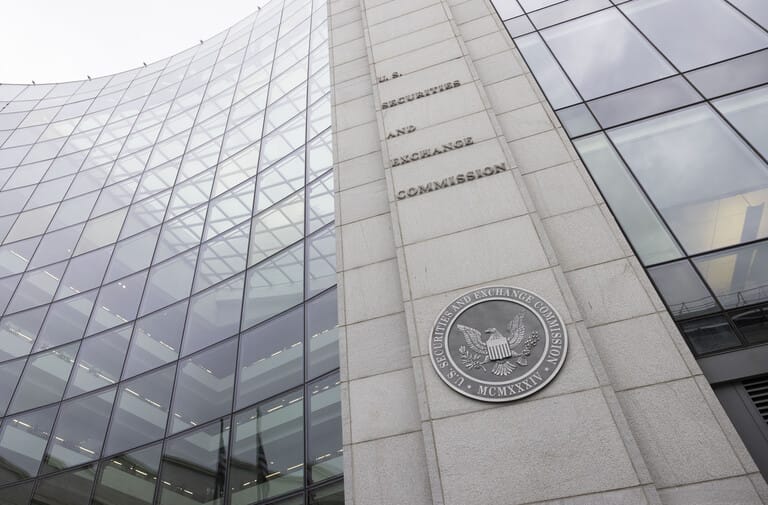
The U.S. Securities and Exchange Commission (SEC) has made a significant move in its ongoing efforts to modernize regulatory oversight in the rapidly evolving field of artificial intelligence (AI). On June 20, 2026, the agency announced the hiring of Jonathan Kline, a former executive at Citadel LLC, as a senior advisor for AI policy. This appointment marks a pivotal moment in the SEC’s strategy to address the complex challenges posed by AI technologies within financial markets.
A Strategic Move in an Evolving Landscape
The decision to bring on board someone with deep experience in algorithmic trading and quantitative finance reflects the SEC’s recognition of the growing influence of AI in investment strategies. Citadel, one of the world’s largest hedge funds, has long been at the forefront of using sophisticated algorithms for market analysis and trade execution. Jonathan Kline’s tenure there included leading teams that developed predictive models and managed large-scale trading operations.
This background positions him uniquely to advise on how AI systems can be regulated without stifling innovation. The SEC faces a delicate balancing act: ensuring investor protection while fostering technological advancement in the financial sector. As AI technologies become more integrated into market mechanisms, regulators must navigate issues such as algorithmic bias, transparency, and systemic risk.
A New Era of Regulatory Oversight
The hiring of Jonathan Kline is part of a broader trend among regulatory bodies to seek expertise from industry leaders. This approach acknowledges that traditional regulatory frameworks may not be sufficient to address the complexities introduced by AI. The SEC’s new advisory role will focus on developing guidelines for AI use in financial services, including areas such as algorithmic trading, risk management, and data privacy.
Kline’s responsibilities will include working closely with the SEC’s Office of Compliance Inspections and Examinations (OCIE) to ensure that firms using AI technologies comply with existing regulations. Additionally, he will be involved in shaping future policies that address emerging risks associated with AI-driven financial products and services.
Why This Matters for Market Participants
The implications of this appointment extend beyond the SEC’s immediate regulatory agenda. For investors, it signals a potential shift toward more transparent and accountable use of AI in financial markets. As AI becomes increasingly prevalent in trading algorithms and portfolio management tools, understanding how these systems operate—and how they are regulated—will be crucial for making informed investment decisions.
For fintech companies and traditional financial institutions alike, the SEC’s new advisory role represents an opportunity to shape the regulatory environment that will govern their operations. The guidance provided by Kline could influence everything from compliance protocols to product development strategies, particularly in areas where AI is used to analyze market trends or manage risk exposure.
Potential Impact on Financial Markets
The integration of AI into financial markets has already begun to reshape how investments are made and managed. With the SEC’s new advisory role, there may be increased scrutiny of algorithmic trading practices and greater emphasis on transparency in AI-driven decision-making processes. This could lead to more robust disclosure requirements for firms using AI technologies, potentially enhancing investor confidence.
However, there are also concerns about over-regulation stifling innovation. The challenge lies in crafting regulations that protect investors without hindering the development of new financial technologies. Jonathan Kline’s experience at Citadel suggests he is well-equipped to navigate these complexities and provide balanced guidance to the SEC.
Conclusion
The SEC’s hiring of Jonathan Kline as a senior advisor for AI policy marks a significant step in addressing the regulatory challenges posed by artificial intelligence in financial markets. This move reflects a growing recognition among regulators that traditional oversight mechanisms may not be sufficient to manage the risks and opportunities associated with AI-driven technologies.
As the financial landscape continues to evolve, the role of advisors like Kline will become increasingly important in shaping a regulatory framework that supports innovation while protecting investors. Readers should watch for upcoming SEC guidelines on AI use in finance and stay informed about how these developments may impact investment strategies and market dynamics. The coming months will likely see increased dialogue between regulators and industry leaders as they work to find the right balance between fostering technological advancement and ensuring market integrity.
Original Source
This article is based on publicly available reporting. For the complete original story, visit the publisher’s article.
Leave a Reply