
Introduction
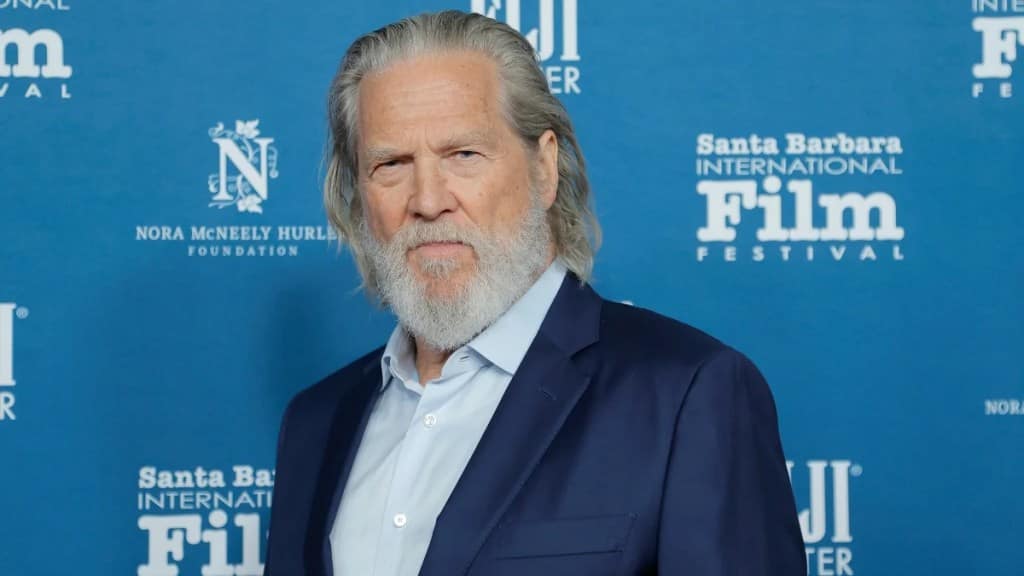
Jeff Bridges, an iconic actor known for his roles in films like The Big Lebowski and Starman, recently made headlines by introducing Theo Von to Suno, a generative AI platform that creates full songs from text prompts. During a segment on Von’s podcast “This Past Weekend,” Bridges shared both his fascination with the technology and his concerns about its implications for the music industry.
Bridges demonstrated how he used Suno to compose an entire song, including vocals and instrumentation, in real time. While he acknowledged that AI is “very frightening,” he also emphasized its potential to revolutionize creative processes by reducing costs and increasing accessibility. His demonstration highlighted a growing trend: artists and producers are increasingly turning to AI tools like Suno to streamline music creation.
The Rise of Generative AI in Music
Generative artificial intelligence (AI) has been making waves across multiple industries, but the music sector is particularly ripe for disruption due to its reliance on creativity and intellectual property. Platforms like Suno use deep learning algorithms trained on vast datasets of existing songs to generate new compositions based on user prompts.
At its core, generative AI in music works by analyzing patterns in melodies, chord progressions, and lyrics from a dataset. When users input a prompt—such as “a melancholic blues song about lost love”—the AI system synthesizes these elements into a coherent musical piece. The output can include instrumental arrangements, vocal tracks, or even full production-ready songs.
This technology is not limited to just creating music; it also has applications in remixing, sound design, and even composing for film scores. For instance, AI tools can generate ambient sounds that match the mood of a scene or create unique instrumentals tailored to specific genres.
The rise of generative AI in music reflects broader trends in automation and digital creativity. As computing power increases and data availability expands, these tools are becoming more sophisticated and accessible to creators at all levels.
Jeff Bridges’ Demonstration: A Glimpse Into the Future
During his appearance on Theo Von’s podcast, Jeff Bridges provided a firsthand look at how Suno works in practice. He began by expressing his apprehension about AI’s rapid development, stating that it is “very frightening.” This sentiment underscores a common concern among artists and industry professionals: the potential erosion of human creativity and control over intellectual property.
Despite these fears, Bridges was eager to show how AI can be harnessed for artistic purposes. He explained that Suno allows users to input their musical ideas—such as melodies or lyrics—and then generates full songs based on those inputs. This process not only saves time but also enables creators to experiment with new sounds and styles without the need for expensive studio sessions.
Bridges demonstrated this by playing a song he had created using Suno, highlighting how the platform can produce high-quality results in minutes. He noted that many musicians in Nashville are now using AI tools like Sun, which has led to significant cost savings and increased productivity.
However, his demonstration also sparked an important question: Does music created with AI hold the same value as human-created works? This debate is central to discussions about the future of creativity in a world increasingly shaped by technology.
The Legal and Business Implications of AI Music Creation
The integration of generative AI into the music industry has not only raised creative concerns but also sparked legal and business debates. One notable example is the recent licensing agreement between Warner Music Group (WMG) and Suno, which was signed in 2025 after WMG filed a $500 million copyright lawsuit against the company.
This case highlights the tension between AI developers and traditional music industry stakeholders. At issue was whether AI-generated content could infringe on existing copyrights by replicating the style or structure of copyrighted works. The court’s decision to allow Suno to continue its operations under a licensing agreement suggests that there is room for collaboration rather than outright prohibition.
The deal also marks a strategic move by WMG to stay ahead in an evolving industry. By partnering with AI platforms, the company can offer its artists new tools and opportunities while ensuring that intellectual property rights are protected. This approach reflects a broader trend of traditional media companies adapting to technological change through innovation and legal frameworks.
For artists, this development means more options for creative expression but also raises questions about authorship and ownership. As AI-generated music becomes more prevalent, the industry must navigate these challenges to ensure fair compensation and recognition for creators.
The Future of Music Creation in an AI-Driven World
As generative AI continues to evolve, its impact on the music industry will likely become even more pronounced. While some artists may embrace these tools as a means of enhancing their creative process, others may resist the shift toward automation and algorithmic composition.
The key challenge lies in balancing innovation with artistic integrity. AI can serve as a powerful tool for inspiration and efficiency, but it cannot replace the human element that gives music its emotional depth and uniqueness. As Jeff Bridges noted, the future of music is changing rapidly, and creators must adapt to these changes while preserving the essence of their craft.
For listeners and fans, this transformation means more diverse and accessible music than ever before. However, it also raises important questions about authenticity, authorship, and the value of human creativity in an increasingly automated world.
Interesting Reads
Conclusion
Jeff Bridges’ demonstration with Suno offers a glimpse into the transformative potential of generative AI in music creation. While he expressed concerns about its impact, he also showcased how these tools can streamline production and open new creative possibilities for artists.
As the industry continues to evolve, it is essential for creators, businesses, and consumers to engage with these developments thoughtfully. The integration of AI into music will undoubtedly reshape the landscape, but the human element remains irreplaceable.
Readers should keep an eye on how major labels and independent artists navigate this new era of creativity. Understanding the balance between innovation and artistic integrity will be crucial in shaping the future of music.
Original Source
This article is based on publicly available reporting. For the complete original story, visit the publisher’s article.
Leave a Reply