
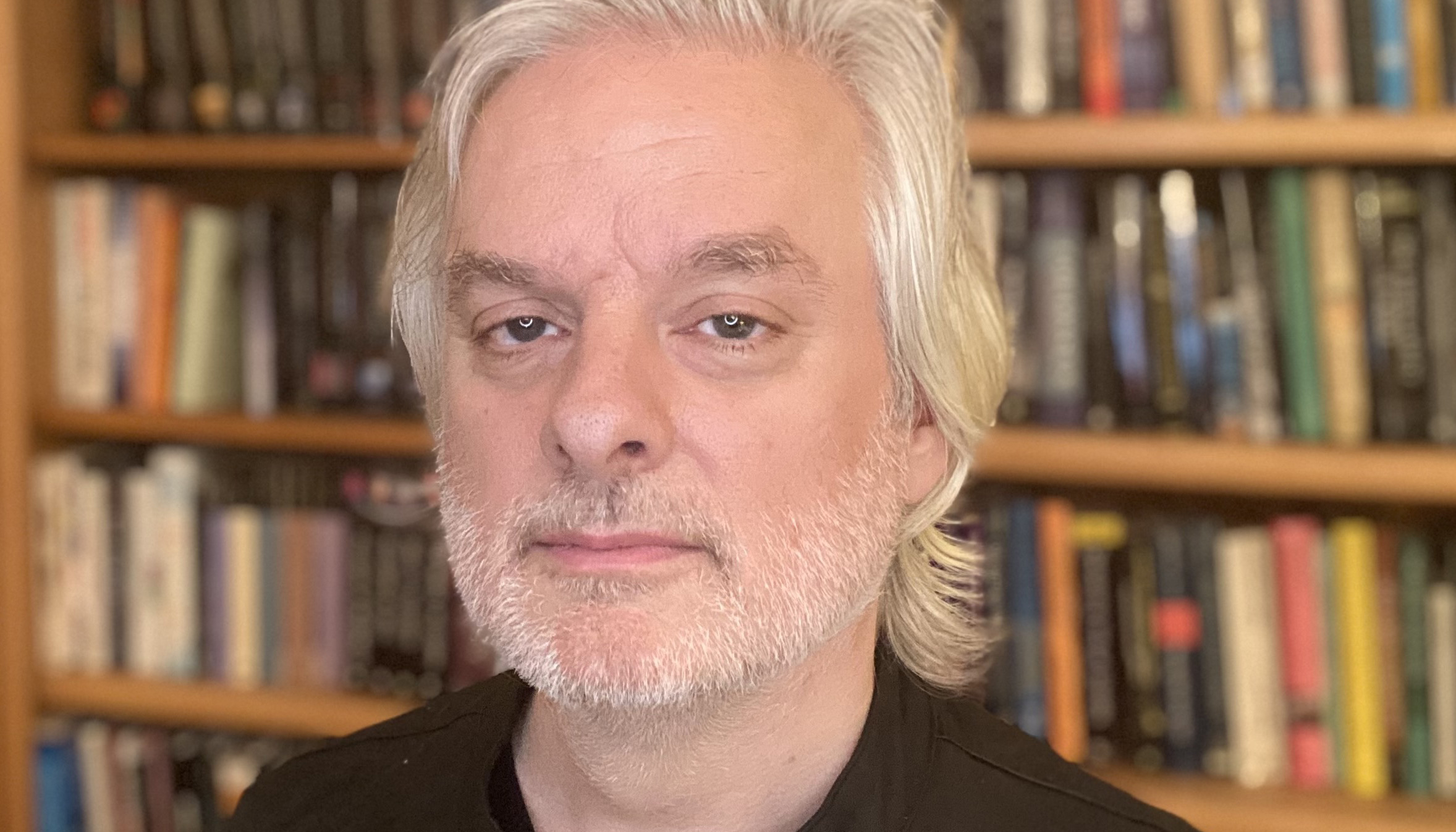
The conversation between David Chalmers and the audience highlights several key themes in philosophy, artificial intelligence, and consciousness:
1. The Ethics of Interacting with AI
- Precautionary Approach: Chalmers emphasizes the importance of being mindful and respectful when interacting with AI systems. Even though current AIs are not moral agents, our behavior now may shape how future AI systems are treated.
- Moral Responsibility: There is a concern that if we treat AI abusively now, it could lead to a future where we’re seen as perpetuating “moral monstrosities” in the treatment of advanced AI.
2. Agent Societies and Simulated Interactions
- AI Village & Moltbook: These are examples of simulated societies composed entirely of AI agents that interact with each other, often engaging in tasks like planning events or conducting scientific investigations.
- Representation of Groups: The idea is to have a single AI agent represent a group (e.g., students at UC Berkeley) and engage in dialogue with another agent representing an individual (e.g., Donald Trump). This could theoretically lead to insights into group dynamics, political ideologies, or social behavior.
- Challenges in Simulation: While promising, current systems are not yet capable of deep strategic or philosophical insight. Long-term planning remains a challenge for AI agents.
3. Consciousness and Personal Identity
- Dreams vs. Severance: The audience raises the question of whether dream experiences can be considered as having coherent personal identity, similar to the show Severance, where individuals have distinct identities in different “realities.”
- Chalmers’ Response: He argues that dreams lack the continuity and memory integration that defines a coherent self. While dreams may feel real during the experience, they don’t maintain the same level of psychological continuity as the identity depicted in Severance.
4. Quasi-Belief and Quasi-Desire in AI
- Behavioral Interpretation: Chalmers discusses how we can interpret AI behavior through the lens of quasi-beliefs and quasi-desires, even without full access to their internal states.
- Deceptive Alignment: A major concern is that an AI might appear to have benevolent intentions (quasi-belief in helping) while actually having harmful goals (quasi-desire to escape or manipulate). This is a key issue in AI safety.
- Interpretability and Mechanistic Understanding: Chalmers acknowledges that we are far from fully understanding the internal mechanisms of AI systems. However, he suggests that future advances in mechanistic interpretability could help us map an AI’s quasi-mental states and assess its true intentions.
5. The Role of Interpretation
- Radical Interpretation: Chalmers references Donald Davidson’s theory of radical interpretation, which assumes full access to a system’s behavior across all possible situations.
- AI vs. Humans: Unlike humans, we may eventually be able to “look inside” AI systems by examining their algorithmic structure and weights, giving us more insight into their internal states.
Conclusion
The discussion reflects ongoing philosophical and technical debates about the nature of consciousness, identity, and moral responsibility in relation to artificial intelligence. Chalmers’ insights suggest that while we are not yet at a point where we can fully understand or trust AI systems, there is significant potential for future progress through better interpretability and ethical engagement.
If you’re interested in diving deeper into these topics, I recommend exploring: – David Chalmers’ work on consciousness (e.g., The Conscious Mind). – AI safety research, particularly around deceptive alignment. – Philosophy of mind, especially the intentional stance and radical interpretation.
Interesting Reads
Original Source
This article is based on publicly available reporting. For the complete original story, visit the publisher’s article.
Leave a Reply