Introduction
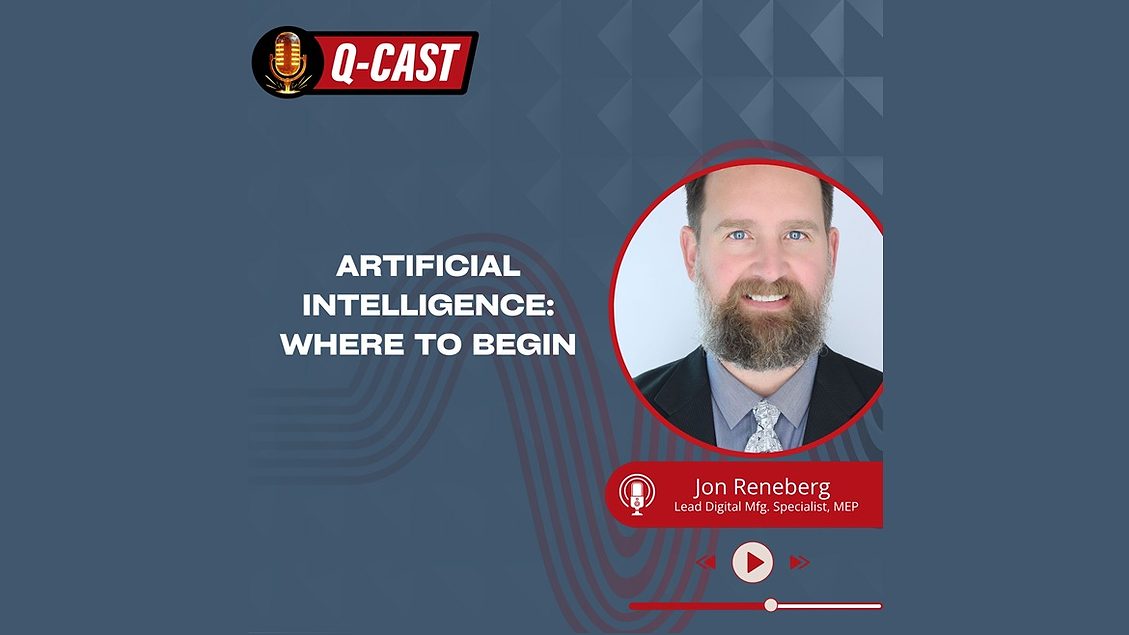
Artificial intelligence (AI) has become a buzzword in both professional and personal spheres, often leaving people feeling overwhelmed or unsure of where to begin. The conversation between Michelle and Jon highlights a common sentiment: many individuals feel left behind by the rapid pace of AI development, believing it’s too late to start learning or integrating these technologies into their work. However, the reality is that now is an ideal time for anyone—regardless of experience level—to explore AI.
The growing interest in AI across various industries, particularly manufacturing, underscores its potential impact on efficiency and innovation. Yet, this enthusiasm often coexists with a lack of understanding about how to effectively engage with AI tools. This article aims to provide a clear roadmap for beginners, offering insights into the basics of AI, practical steps to get started, and the broader implications of adopting these technologies.
Understanding Artificial Intelligence
Artificial intelligence refers to the simulation of human intelligence processes by machines, especially computer systems. These processes include learning (the acquisition of information and rules for using the information), reasoning (using rules to reach approximate or definite conclusions), and self-correction. AI can be categorized into narrow AI, which is designed for specific tasks such as playing chess or recognizing speech, and general AI, which aims to perform any intellectual task that a human can do.
The confusion surrounding AI often stems from its broad scope and the rapid evolution of related technologies. For instance, generative AI, which includes tools like chatbots and content creation systems, has gained significant attention due to its ability to produce text, images, and even code. Understanding these distinctions is crucial for anyone looking to engage with AI effectively.
Practical Steps to Begin Your AI Journey
For those new to AI, the first step is to familiarize yourself with the fundamental concepts and tools available. This can be achieved through online courses, tutorials, and hands-on projects that allow you to experiment with AI technologies in a safe environment. Platforms like Coursera, edX, and Udacity offer comprehensive courses on machine learning, natural language processing, and more.
In addition to theoretical knowledge, practical experience is essential. Engaging with AI tools such as chatbots or generative models can provide valuable insights into how these technologies function and their potential applications. For instance, using a chatbot to answer customer inquiries can help you understand the nuances of conversational AI and its role in enhancing user experiences.
Moreover, it’s important to consider the ethical implications of AI adoption. As organizations increasingly rely on AI for decision-making processes, ensuring transparency, fairness, and accountability becomes paramount. This includes understanding how data is used, who benefits from AI systems, and what safeguards are in place to protect individuals’ rights and privacy.
The Role of AI in Modern Workplaces
The integration of AI into the workplace is not just a trend; it’s a necessity for staying competitive in today’s fast-paced environment. Many employers are seeking candidates with experience in AI technologies, recognizing their potential to enhance productivity and drive innovation. For instance, professionals in roles such as quality control or safety management can leverage AI tools to streamline processes, reduce errors, and improve outcomes.
However, the transition to an AI-driven workplace requires more than just technical skills; it also demands a mindset shift. Employees must be willing to adapt to new technologies and embrace continuous learning. This includes understanding how to collaborate with AI systems effectively and using them as tools to augment human capabilities rather than replace them.
Furthermore, organizations should invest in training programs that equip their workforce with the necessary skills to work alongside AI technologies. By fostering a culture of innovation and collaboration, companies can ensure that their employees are not only prepared for the future but also empowered to contribute meaningfully to it.
The Broader Implications of AI Adoption
The adoption of AI has far-reaching implications beyond individual workplaces. On a societal level, AI is reshaping industries, creating new job opportunities, and transforming how services are delivered. For example, in healthcare, AI is being used to develop diagnostic tools that can analyze medical images with high accuracy, potentially improving patient outcomes and reducing the workload on healthcare professionals.
However, these advancements also raise important questions about the future of work and the potential for job displacement. As AI systems become more sophisticated, there is a growing concern about the impact on employment across various sectors. Addressing these challenges requires a balanced approach that includes retraining programs, policy reforms, and ethical guidelines to ensure that the benefits of AI are shared equitably.
In addition, the environmental impact of AI technologies cannot be overlooked. The energy consumption associated with training large AI models has raised concerns about sustainability. As organizations adopt AI, they must also consider their carbon footprint and explore ways to make these technologies more energy-efficient.
Interesting Reads
Conclusion
In conclusion, the journey into artificial intelligence is both exciting and challenging. For beginners, understanding the basics of AI, engaging with practical tools, and considering the broader implications of its adoption are essential steps in navigating this rapidly evolving field. As organizations continue to integrate AI into their operations, individuals must remain adaptable and committed to continuous learning.
The future of work will undoubtedly be shaped by AI, but it is crucial that we approach this transformation thoughtfully. By fostering a culture of innovation, collaboration, and ethical responsibility, we can ensure that the benefits of AI are realized while minimizing potential risks. As you embark on your AI journey, remember that now is the perfect time to start—whether for personal growth or professional advancement. Stay curious, stay informed, and keep exploring the possibilities that AI has to offer.
Original Source
This article is based on publicly available reporting. For the complete original story, visit the publisher’s article.
Leave a Reply