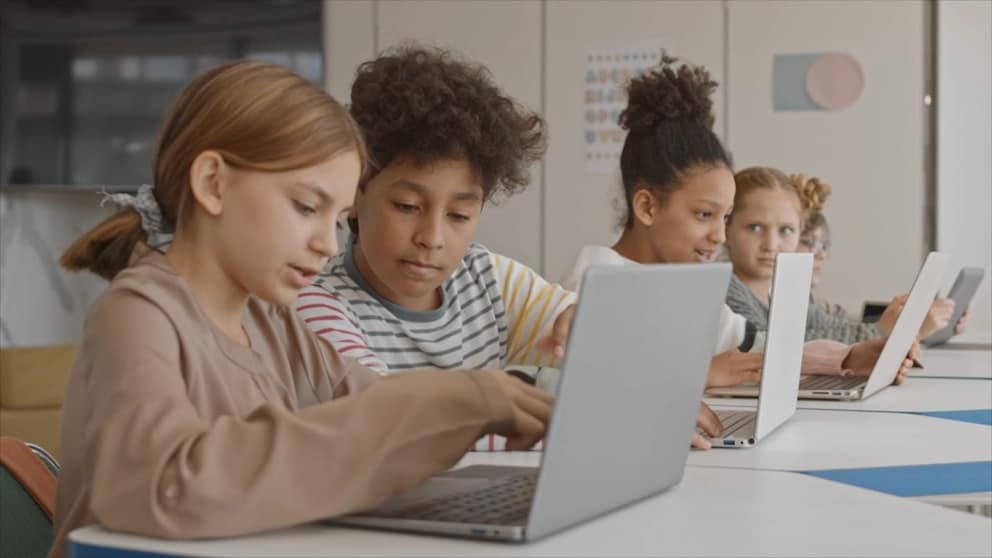
In recent years, artificial intelligence (AI) has moved beyond science fiction and into classrooms across the United States. Teachers are now using AI tools to streamline their work, personalize learning experiences for students, and even provide real-time feedback on assignments. This shift is not just a technological trend—it’s a fundamental change in how education is delivered and experienced.
The Rise of AI in Education
Artificial intelligence has been making waves in various industries, from healthcare to finance, but its impact on education is particularly profound. With the integration of AI tools into classrooms, educators are finding new ways to enhance teaching methods and improve student outcomes. According to a recent report by ABC News, teachers nationwide are adopting AI for tasks such as developing lesson plans, organizing data, and offering instant feedback on student work.
AI in education isn’t limited to just automating administrative tasks. It’s also being used to create more personalized learning experiences. For instance, some platforms use machine learning algorithms to adapt content based on a student’s performance, ensuring that each learner receives instruction tailored to their needs. This level of personalization was once considered a luxury but is now becoming increasingly common in K-12 and higher education settings.
AI Tools for Teachers
One of the most significant benefits of AI in education is its ability to assist teachers with time-consuming tasks. Developing lesson plans, grading assignments, and managing classroom data can be overwhelming, especially for educators who are already stretched thin. AI tools like chatbots, automated grading systems, and data analytics platforms help alleviate some of these burdens.
For example, AI-powered chatbots can answer student questions outside of class hours, providing immediate support without requiring teachers to be constantly available. Automated grading systems use natural language processing (NLP) to evaluate written responses, offering quick feedback that helps students understand their mistakes and improve over time. These tools not only save time but also allow educators to focus more on teaching and less on administrative work.
Another area where AI is making an impact is in data organization. With the help of machine learning algorithms, teachers can analyze student performance trends and identify areas where students may be struggling. This data-driven approach enables educators to adjust their teaching strategies and provide targeted support to individual learners.
Personalized Learning for Students
AI’s ability to personalize education is one of its most promising applications. Traditional classroom settings often struggle to meet the diverse needs of all students, but AI can help bridge this gap by offering customized learning paths. Adaptive learning platforms use algorithms to adjust content difficulty based on a student’s progress, ensuring that each learner is challenged appropriately without being overwhelmed.
For instance, some AI-powered educational apps can detect when a student is struggling with a particular concept and automatically provide additional resources or alternative explanations. This level of personalization not only improves student engagement but also helps ensure that no one falls behind in their learning journey.
Moreover, AI can help identify students who may need extra support before they fall too far behind. By analyzing patterns in student performance data, these systems can flag potential issues early on, allowing teachers to intervene and provide the necessary assistance. This proactive approach is particularly valuable in large classrooms where it’s difficult for a single teacher to monitor every student’s progress.
Why This Matters
The integration of AI into education represents a significant shift in how knowledge is delivered and absorbed. As technology continues to evolve, so too must our educational systems. The use of AI in the classroom is not just about efficiency—it’s about creating more inclusive, effective, and engaging learning environments for all students.
However, it’s important to recognize that this transformation comes with challenges. Issues such as data privacy, algorithmic bias, and the potential for over-reliance on technology must be carefully addressed. Educators, policymakers, and technologists must work together to ensure that AI is used responsibly and ethically in education.
Potential Impact
The long-term impact of AI in education could be transformative. As more schools adopt these technologies, we may see a shift toward more student-centered learning models. Traditional classrooms, which often follow a one-size-fits-all approach, may give way to environments where each learner’s unique needs are met through personalized instruction and real-time feedback.
Additionally, the widespread use of AI in education could help address disparities in access to quality teaching. In under-resourced schools, AI tools can provide additional support for students who might not otherwise have access to individualized attention. This has the potential to level the playing field and create more equitable learning opportunities for all students.
Another potential impact is the evolution of the teacher’s role. While AI may take over some routine tasks, it will also require educators to develop new skills in order to effectively integrate these tools into their teaching practice. The future of education may involve a collaboration between human teachers and intelligent systems, where each complements the other to create a more dynamic and responsive learning environment.
Interesting Reads
Conclusion
The integration of artificial intelligence into education is reshaping how students learn and how teachers teach. From streamlining administrative tasks to enabling personalized learning experiences, AI is proving to be an invaluable tool in modern classrooms. As schools continue to adopt these technologies, it’s essential to consider both the benefits and challenges they bring.
For readers interested in staying ahead of this educational transformation, there are several key areas to watch. First, developments in AI-driven personalization will likely shape future learning models. Second, ethical considerations around data privacy and algorithmic bias will become increasingly important as these tools grow more sophisticated. Finally, the evolving role of teachers in an AI-enhanced classroom will be a critical topic for educators and policymakers alike.
As we move forward, the collaboration between human insight and machine intelligence may redefine what it means to learn and teach. The future of education is not just about technology—it’s about creating smarter, more inclusive learning environments that prepare students for an ever-changing world.
Original Source
This article is based on publicly available reporting. For the complete original story, visit the publisher’s article.
Leave a Reply