In recent years, artificial intelligence (AI) has emerged as a transformative force across various industries, including healthcare. One of the most promising applications of AI is its integration into clinical decision-making processes. A new systematic review published in Cureus highlights how AI tools are being used to enhance diagnostic accuracy, improve predictive performance, and ultimately influence clinical outcomes. This article explores the key findings from this study, offering insights into the current state of AI in healthcare and what it means for medical professionals and patients alike.
The Rise of AI in Healthcare
The integration of artificial intelligence into healthcare is not a new concept, but recent advancements have accelerated its adoption. AI systems are now being used to analyze vast amounts of patient data, identify patterns that may be imperceptible to human clinicians, and provide actionable insights. These capabilities have led to the development of tools that assist in diagnosis, predict disease progression, and even support treatment planning.
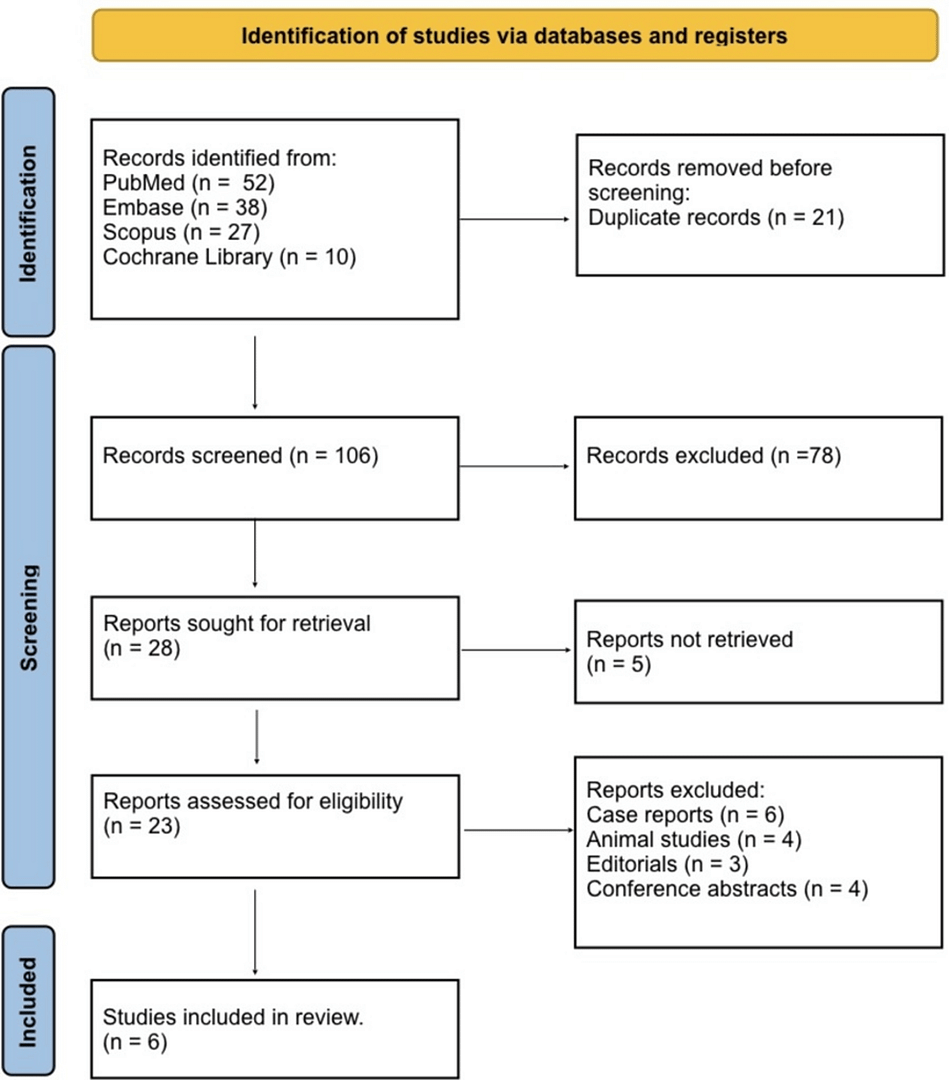
The Cureus review analyzed multiple studies published over the past decade, focusing on AI applications in clinical decision-making. The research team evaluated how well these systems performed compared to traditional diagnostic methods and their impact on patient outcomes. This comprehensive analysis provides a valuable overview of where AI stands today in the healthcare landscape.
Diagnostic Accuracy: A Critical Benchmark
One of the primary metrics used to evaluate AI tools is diagnostic accuracy. In clinical settings, accurate diagnosis is essential for effective treatment and positive patient outcomes. The review found that many AI systems have demonstrated high levels of diagnostic accuracy, particularly in imaging-based diagnostics such as radiology and dermatology.
For instance, deep learning algorithms trained on large datasets of medical images have shown impressive results in detecting conditions like lung cancer, diabetic retinopathy, and skin malignancies. These models often match or even surpass the performance of experienced radiologists, offering a potential solution to diagnostic shortages in certain regions.
However, the review also highlights that diagnostic accuracy can vary significantly depending on the quality and diversity of training data. AI systems trained primarily on data from specific populations may not perform as well when applied to different demographic groups. This underscores the importance of developing inclusive datasets that reflect the diversity of patient populations.
Predictive Performance: Forecasting Health Outcomes
Beyond diagnosis, AI is also being used to predict health outcomes and identify patients at risk for certain conditions. Predictive models can analyze a wide range of data points, including electronic health records (EHRs), genetic information, and lifestyle factors, to forecast the likelihood of disease progression or adverse events.
The Cureus review found that AI-driven predictive models have shown promise in areas such as cardiovascular risk assessment, sepsis detection, and readmission prediction. These tools can help clinicians make more informed decisions about patient care and resource allocation, potentially improving outcomes and reducing healthcare costs.
Despite these successes, the review notes that predictive performance is not without its challenges. One major limitation is the potential for bias in AI models, which can arise from skewed training data or algorithmic design flaws. Ensuring fairness and transparency in predictive models remains a critical area of research and development.
Clinical Outcomes: The Ultimate Goal
Ultimately, the success of any clinical tool depends on its impact on patient outcomes. The Cureus review examined how AI integration has influenced clinical decision-making and whether it leads to tangible improvements in healthcare delivery.
Several studies included in the review found that AI-assisted diagnosis and treatment planning can lead to more timely interventions and better patient management. For example, AI systems used in emergency departments have been shown to reduce diagnostic delays and improve triage efficiency. Similarly, predictive models have helped identify patients at risk for complications, enabling early intervention and potentially preventing hospitalizations.
However, the review also emphasizes that while AI has the potential to enhance clinical outcomes, it is not a replacement for human expertise. The role of clinicians remains crucial in interpreting AI-generated insights and making final treatment decisions. Collaboration between AI systems and healthcare professionals is seen as key to maximizing the benefits of these technologies.
Why This Matters for the Future of Healthcare
The findings from this systematic review have significant implications for the future of healthcare. As AI continues to evolve, its integration into clinical workflows will likely become more widespread. However, several challenges must be addressed to ensure that these tools are used responsibly and effectively.
First, there is a need for greater standardization in AI development and deployment. Establishing clear guidelines for data collection, model training, and validation can help reduce bias and improve the reliability of AI systems. Second, healthcare institutions must invest in training programs to equip clinicians with the skills needed to work alongside AI technologies. Finally, regulatory frameworks should be developed to ensure that AI tools meet rigorous safety and efficacy standards before they are used in clinical practice.
Interesting Reads
Conclusion
The integration of artificial intelligence into clinical decision-making is reshaping the landscape of modern healthcare. A recent systematic review published in Cureus highlights the growing role of AI in enhancing diagnostic accuracy, improving predictive performance, and ultimately influencing patient outcomes. While these technologies show great promise, their successful implementation requires careful consideration of ethical, technical, and regulatory challenges.
For readers interested in staying updated on this rapidly evolving field, it is essential to monitor ongoing research and real-world applications of AI in healthcare. As the technology continues to advance, its potential to improve patient care and operational efficiency will only grow. The future of clinical decision-making may well be shaped by the collaboration between human expertise and artificial intelligence.
Original Source
This article is based on publicly available reporting. For the complete original story, visit the publisher’s article.
Leave a Reply