
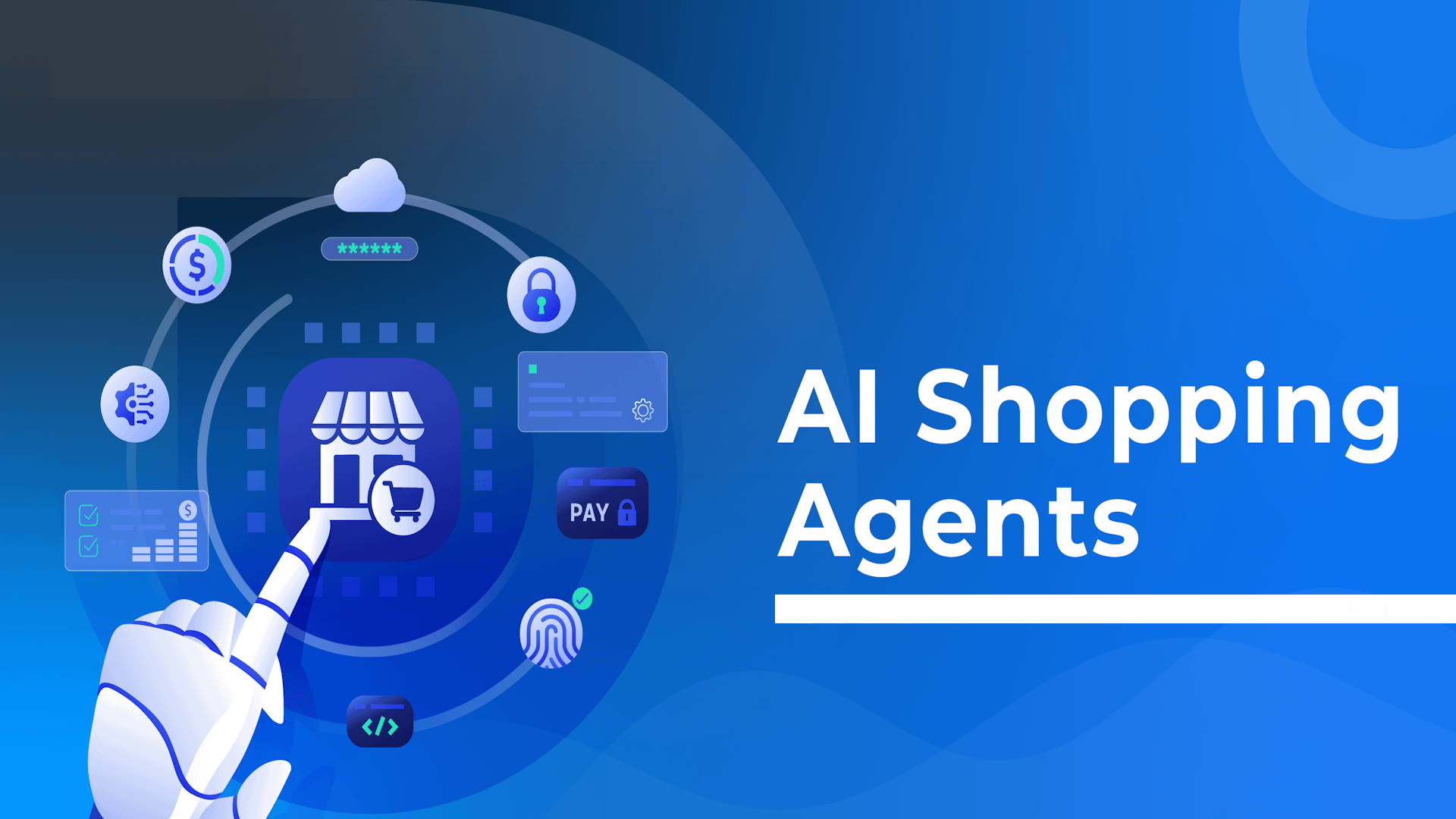
One of the biggest AI stories right now is not a smarter chatbot, a flashier image generator, or another benchmark war. It is something quieter, and potentially more disruptive: AI that shops.
Not just recommends. Not just compares. Shops.
Over the past few months, the conversation around “agentic commerce” has accelerated fast. Shopify’s president said the company is preparing for AI shopping agents to reshape e-commerce. Google has been rolling out standards and tools for what it calls an “agentic shopping era,” including infrastructure for identity and payments. And across the industry, companies are starting to talk less about AI as a content toy and more about AI as a purchasing layer sitting between people and products.
That matters because shopping is one of the internet’s most important rituals. It is where search turns into money, where attention turns into intent, and where branding collides with convenience. If AI agents become trusted middlemen in that process, they will not just change how we buy. They could change what gets discovered, which brands win, and how much human decision-making remains in the loop.
In other words, the next big AI interface may not be a chat box. It may be a buyer.
From search results to delegated decisions
For years, online shopping has followed a familiar script. You search, scroll, compare tabs, read reviews, hesitate, and eventually click “buy.” It is messy, inefficient, and strangely exhausting. That friction is exactly what makes AI shopping agents so appealing.
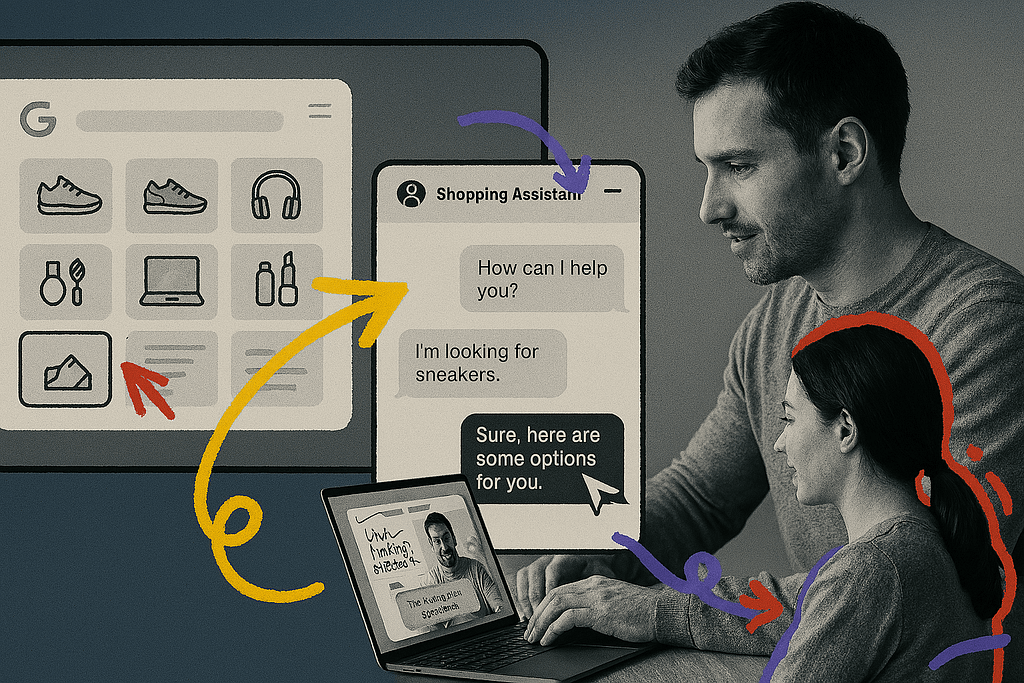
The pitch is simple: tell an AI what you want, your budget, your preferences, and maybe your brand tolerances, and let it handle the rest. Find the options. Filter the junk. Surface the best fit. Maybe even complete the transaction.
That is no longer speculative fluff. Google has explicitly framed the future of commerce around agents that can operate across the shopping journey, and it has introduced infrastructure meant to help businesses connect securely with those agents. Shopify, meanwhile, is talking openly about preparing for a world where AI shopping agents become central to how commerce happens online.
The cultural shift here is subtle but huge. The web has trained us to be active shoppers. Agentic commerce trains us to become approving supervisors.
That sounds efficient. It also sounds like the beginning of a very different internet.
Why this trend is catching on now
AI shopping agents are arriving at the moment when three currents are finally meeting.
First, multimodal AI has improved enough to understand shopping in a more human way. People do not always know the exact product name they want. They describe vibes, use cases, colors, budgets, constraints, and emotional shorthand. Modern AI systems are much better at handling that messy kind of intent than traditional search has been. Google has already been pushing toward richer, more natural shopping and search interactions through AI-powered experiences.
Second, companies now want AI to do things, not just say things. One of the clearest narratives in 2026 is the move from AI hype to pragmatic utility, with more focus on reliable agents and real-world workflows. That broader shift makes shopping a natural target: it is frequent, measurable, and commercially valuable.
Third, the business incentives are massive. Search is lucrative. Product discovery is lucrative. Payments are lucrative. If AI becomes the layer that mediates all three, then whoever shapes agentic commerce is not just launching a feature. They are competing to own a new gateway to consumer intent.
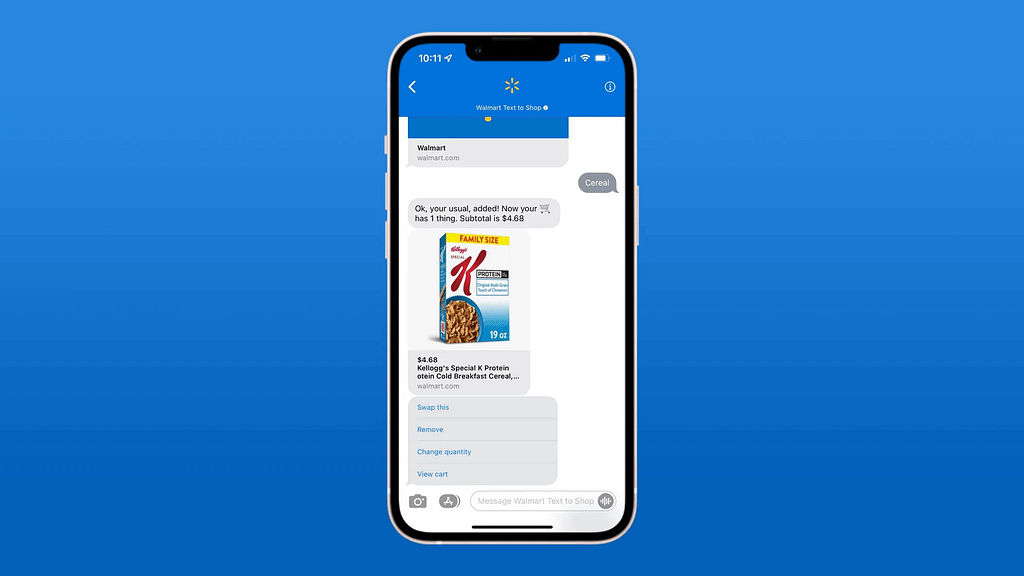
This is why the language around AI shopping now feels more infrastructural than experimental. Standards. Protocols. Verification. Identity. Payment rails. Those are not the words of a passing gadget cycle. They are the words of a platform shift.
Convenience is the hook, but trust is the real product
Every major consumer technology wave eventually runs into the same wall: trust.
AI shopping agents promise something deliciously modern: fewer tabs, less decision fatigue, and a cleaner path from desire to purchase. For people overwhelmed by choice, that is not a minor upgrade. It is relief. The internet has spent years drowning shoppers in abundance. Agents offer to become lifeguards.
But the second you let AI influence spending, the stakes change. Now the questions are harder.
Who is the agent optimizing for?
You, the retailer, the platform, the advertiser, or the payment partner?
How transparent will recommendations be?
Will sponsored placement quietly shape “best picks” the way ads shaped search?
What happens when an agent misunderstands your preferences and buys the wrong thing anyway?
And how do you verify that a shopping agent is really acting on behalf of a person, not a bot swarm gaming the system?
Those concerns are not theoretical. Some of the new infrastructure being discussed around agentic commerce is explicitly about identity, secure payments, and human verification, which tells you the ecosystem already sees trust and abuse as core issues, not side notes.
This is where the cheerful future-of-shopping demos start to look a little more complicated. A good shopping agent is not just a recommendation engine with nicer manners. It is a system that needs memory, preference modeling, commercial access, and transaction authority. That is a lot of power to hand over in exchange for convenience.
And convenience, as the internet keeps reminding us, is rarely free.
The brands that win may not be the ones with the loudest ads
There is another shift buried inside this trend, and it could hit marketers especially hard.
In a traditional web journey, brands can still win with design, storytelling, emotional appeal, strong ad targeting, and visual merchandising. Human shoppers are persuadable creatures. We fall for packaging, aesthetics, social proof, urgency, and the digital equivalent of a well-lit shop window.
AI agents may care less.
If a shopper says, “Get me the best office chair under $300 with solid back support, fast shipping, and no fake reviews,” the agent is more likely to prioritize structured data, credible reviews, fulfillment reliability, and clear product attributes than a dramatic homepage video. That does not kill branding, but it may reduce how often branding gets the first shot.
In that world, being machine-readable becomes almost as important as being memorable.
That could push e-commerce toward cleaner catalogs, stronger product metadata, better review integrity, and more transparent logistics. It may also create a strange new aesthetic of commerce where products are increasingly optimized for algorithmic selection before human desire. The old SEO arms race may evolve into something more like AEO for retail: agent engine optimization.
Not exactly romantic, but very internet.
The privacy problem is coming with the cart
For AI shopping agents to be genuinely useful, they will need context. Lots of it.
Your sizes. Your past purchases. Your dietary restrictions. Your household preferences. Your location. Your payment methods. Your tolerance for refurbished goods. Your favorite brands. The things you would never buy, even at a discount. The things you buy when you are stressed at 11:47 p.m.
That kind of personalization is what makes the whole idea compelling. It is also what makes it risky.
The more these agents know, the more powerful they become. The more powerful they become, the more tempting that data becomes to platforms, retailers, and bad actors. This is not a reason to panic, but it is absolutely a reason to be skeptical of frictionless magic. The future of AI commerce will depend not just on intelligence, but on data governance, permissioning, and meaningful user control.
A shopping agent that knows your taste can feel like a concierge. A shopping agent that knows too much can feel like surveillance with a coupon code.
That tension is going to define whether consumers embrace these tools fully or keep them at arm’s length.
What this means for everyday people
For consumers, AI shopping agents could be genuinely useful in all the obvious ways.
- They may save time.
- They may reduce bad purchases.
- They may help less tech-savvy shoppers navigate complexity.
- They may make price comparison and feature filtering dramatically easier.
For people with accessibility needs, they could be especially helpful. A well-designed agent could simplify browsing, product research, and purchase workflows in ways that make online shopping more inclusive.
But people will also need new instincts.
- Not every recommendation will be neutral.
- Not every result will be complete.
- Not every “best option” will reflect your values.
The smartest users may end up treating shopping agents the same way savvy readers treat AI summaries: useful first pass, not final authority.
That hybrid future feels the most plausible. Not humans disappearing from shopping, but humans moving one step up the ladder, delegating the grunt work while keeping final judgment for the moments that matter.
The bigger cultural shift
The deeper story here is not retail. It is delegation.
For two decades, digital life has trained us to do more for ourselves: search manually, compare manually, choose manually, manage manually. AI agents reverse that pattern. They promise a world where software does the legwork and humans simply steer.
Shopping is one of the first mass-market arenas where that promise can become habitual. And habits matter. Once people get comfortable delegating purchases, they may become more comfortable delegating bookings, scheduling, finance triage, customer service, and other daily decisions too.
That is why AI shopping agents feel like more than a niche commerce story. They are a test case for how much agency people are willing to outsource in exchange for speed and simplicity.
The answer, if history is any guide, is: more than we think.
The next checkout page may be invisible
AI shopping agents are trending because they sit at the intersection of several forces that are all getting stronger at once: better multimodal AI, rising consumer fatigue, platform competition, and a broader industry push toward useful, action-taking systems. Google, Shopify, and others are not talking about this space like it is a side experiment. They are laying groundwork for it.
If this shift takes hold, the experience of shopping online could become less about browsing digital shelves and more about briefing an intelligent middleman. That may save people time. It may also reorder the economics of discovery, advertising, trust, and brand power.
The invisible checkout is coming into view.
And when it arrives, the real question will not be whether AI can shop for us.
It will be whether we still understand how our choices are being made.
Leave a Reply