
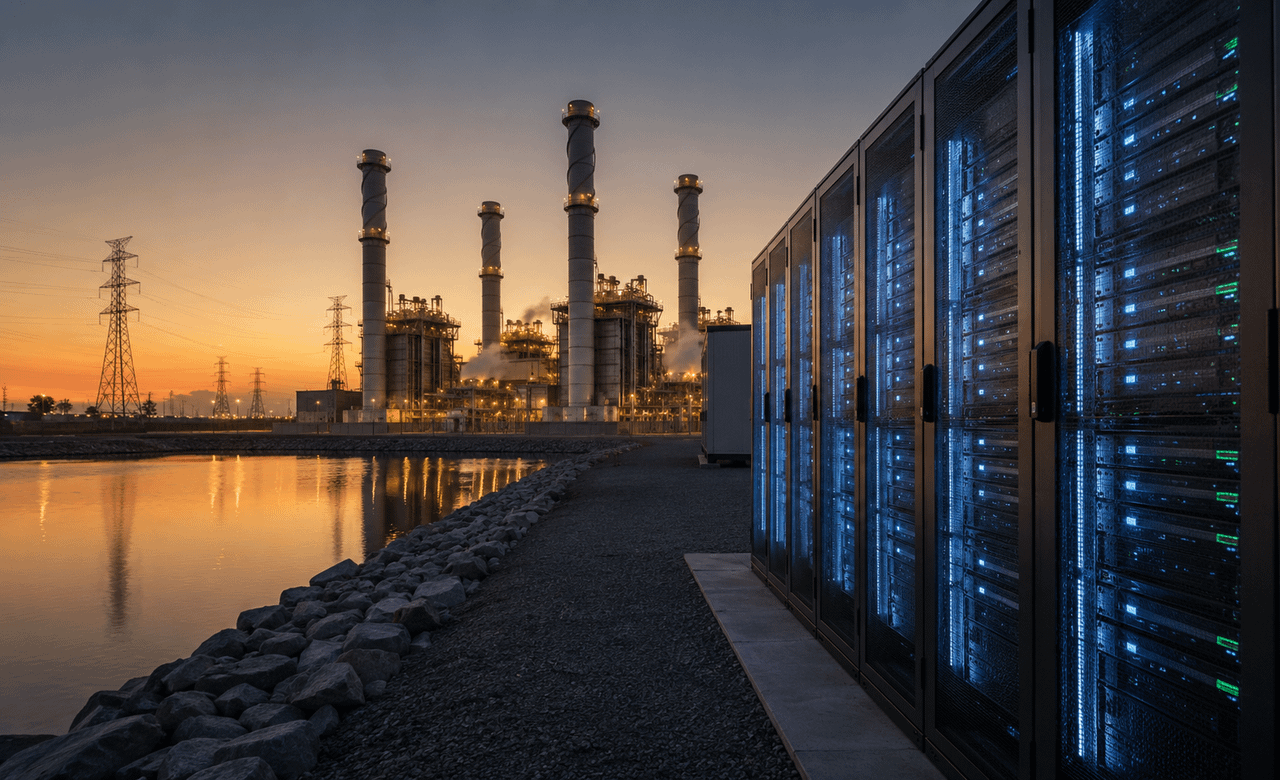
The rise of artificial intelligence has brought about unprecedented opportunities for innovation, economic growth, and societal transformation. Yet, as the technology continues to evolve at breakneck speed, it is also revealing a less-discussed but critical consequence: an escalating demand for electricity that is reshaping energy markets and challenging long-standing climate goals.
The Energy Appetite of AI
Artificial intelligence has become one of the most transformative forces in modern society. From self-driving cars to personalized healthcare, from smart cities to real-time language translation, AI is redefining how we live and work. However, this rapid expansion comes at a cost—literally. Data centers that power AI systems are now among the largest electricity consumers in the United States.
These facilities require continuous, reliable energy supply to operate 24 hours a day, seven days a week. Unlike traditional industries that can adjust their operations during peak demand or shift production schedules, data centers cannot afford interruptions. This has created an urgent need for stable and scalable power sources, which is driving new investments in the energy sector.
A Shift Back Toward Natural Gas
The U.S. energy landscape has been shifting rapidly as a result of this increased demand. For years, renewable energy projects such as solar farms and wind turbines were at the forefront of national efforts to reduce carbon emissions. However, the growing reliance on data centers is now prompting utilities to reconsider their strategies.
Natural gas-fired power plants are being proposed in record numbers because they can be constructed more quickly than renewable energy infrastructure and provide a steady supply of electricity. This shift has led to a resurgence in natural gas as a key component of the U.S. energy mix, even as many companies continue to invest in solar and wind projects.
According to data from the Global Energy Monitor, the number of proposed natural gas power plants in the United States has surged over the past year. Much of this expansion is being justified by projections of future electricity demand linked to AI growth. However, experts warn that these forecasts are still uncertain, and it remains unclear how long-term energy needs will evolve.
The Resurgence of Coal
The increased reliance on natural gas has also led to a reevaluation of coal’s role in the U.S. power sector. While coal has been losing market share for years, its phaseout is now slowing due to the need for grid stability during this period of rapid technological change.
Several utilities have delayed retirement schedules for coal-fired plants in an effort to avoid potential electricity shortages while new sources of generation come online. Although coal remains a significant source of emissions, its decline is no longer as linear or predictable as it once was.
This situation highlights the complex trade-offs involved in balancing economic growth with environmental responsibility. While AI represents one of the greatest opportunities of our time, it also poses challenges for achieving long-term climate goals.
State and Corporate Responses
In response to these developments, state governments are taking steps to ensure that the expansion of data centers does not undermine climate objectives. States such as New York, Minnesota, and Michigan are advancing policies that require a growing share of electricity used by AI facilities to come from carbon-free sources.
At the same time, some regulators are allowing major energy consumers to develop their own renewable projects—such as solar farms or wind turbines—to power their operations rather than relying solely on traditional utilities. This approach is helping companies reduce their carbon footprint while maintaining the reliability needed for AI systems.
Technology giants like Microsoft, Google, Amazon, and Meta have also begun investing heavily in nuclear energy, geothermal projects, and large-scale renewable installations. These efforts are aimed at reducing reliance on fossil fuels without compromising the continuous power supply required by AI infrastructure.
However, many of these projects will take years to become operational, while electricity demand from AI continues to grow rapidly. This mismatch between supply and demand is creating new challenges for energy planners and policymakers alike.
Infrastructure Bottlenecks
The rapid expansion of data centers is not only affecting the energy sector—it is also causing infrastructure bottlenecks that are slowing down the development of new technology projects. Delays in building transmission lines, shortages of electrical transformers, and longer wait times for grid connections are all contributing to a growing backlog of AI-related initiatives.
These constraints are already having real-world impacts. In several regions of the country, developers are facing extended timelines before their data centers can be connected to the power grid. This delay is not only slowing innovation but also increasing costs for companies that rely on these facilities to support their operations.
A Pivotal Moment in Energy Policy
Energy analysts agree that the United States is approaching a pivotal moment in its energy policy. If access to electricity becomes the primary bottleneck limiting the growth of artificial intelligence, then energy strategy will become a central element of global technological competition.
The challenge now is not just about replacing fossil fuels with renewable sources—it’s about finding ways to sustain a rapidly expanding digital infrastructure that consumes ever-growing amounts of electricity without allowing technological progress to become an environmental setback.
Interesting Reads
Conclusion
The hidden cost of artificial intelligence lies in its immense energy demand, which is reshaping the U.S. power sector and challenging long-standing climate goals. As data centers continue to expand, they are driving a renewed reliance on natural gas and delaying the phaseout of coal, creating complex trade-offs between economic growth and environmental responsibility.
State governments, corporate leaders, and energy planners are all working to address these challenges, but the pace of change remains rapid and unpredictable. The next few years will be critical in determining how well the U.S. can balance its ambitions for technological advancement with its commitments to a sustainable future.
Readers should watch closely for developments in state-level policies, corporate investments in renewable energy, and innovations in grid infrastructure that could help mitigate the environmental impact of AI while supporting continued growth in this transformative field.
Original Source
This article is based on publicly available reporting. For the complete original story, visit the publisher’s article.
Leave a Reply