
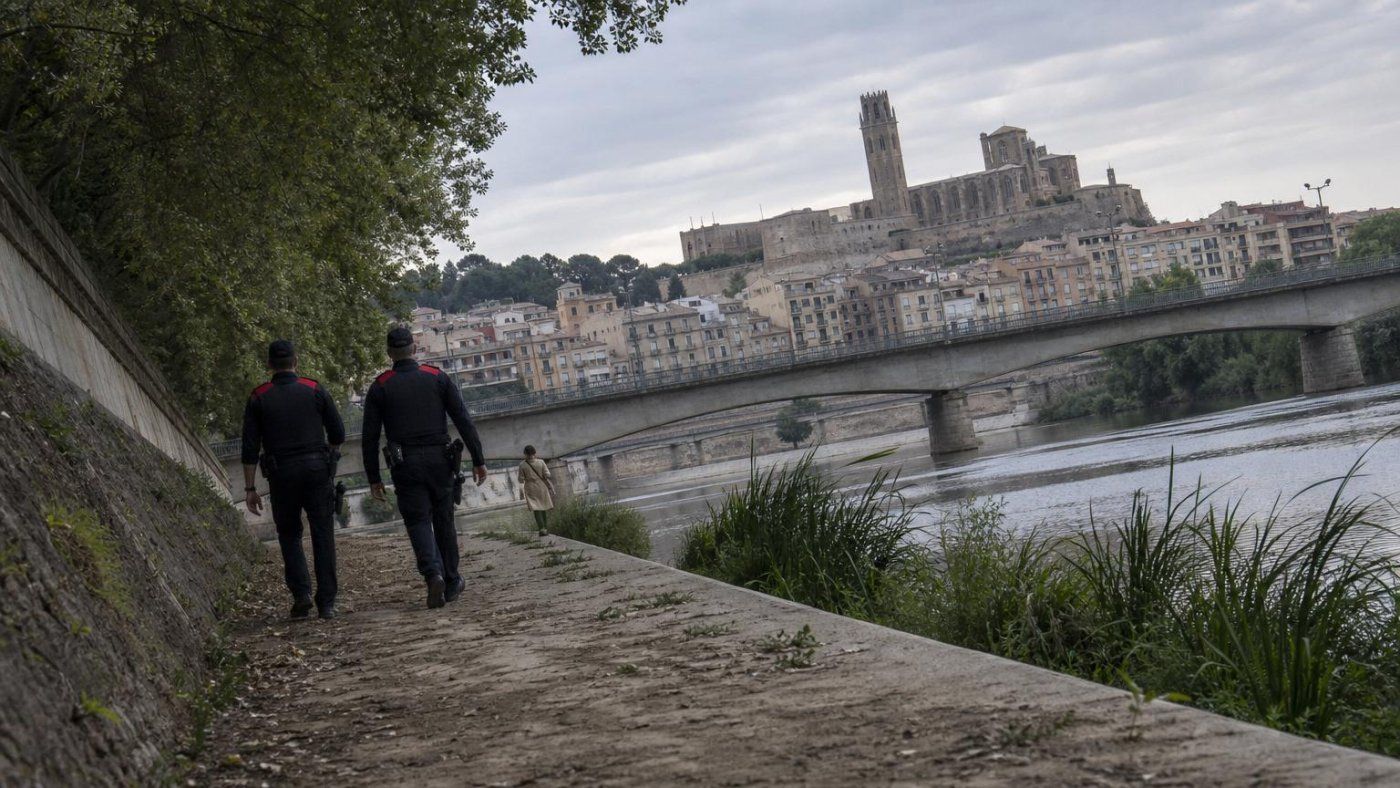
In a recent development that highlights the growing role of artificial intelligence (AI) in criminal investigations, Spanish police have successfully identified a 50-year-old woman whose body was discovered in the Segre River near Lleida. The identification came after traditional methods failed to yield results, prompting investigators to turn to AI-generated composite sketches as part of their efforts.
A New Tool in Criminal Investigations
The use of artificial intelligence in criminal investigations is not new, but its application in identifying victims from crime scenes has gained significant traction in recent years. In this case, the Mossos d’Esquadra, Catalonia’s regional police force, turned to AI technology after exhausting conventional identification methods.
AI composite sketches are created by feeding facial recognition algorithms with data such as age, gender, and physical features derived from witness descriptions or partial remains. These images can then be shared with the public and compared against existing databases of missing persons or unidentified bodies.
The process is particularly valuable in cases where traditional forensic methods are insufficient or when time has passed since a body was discovered, making DNA analysis less reliable. In this instance, the AI-generated image helped bridge the gap between what was known about the victim and who she actually was.
The Discovery and Initial Investigation
The woman’s body was found on June 3 in the Segre River near Pont Nou, one of several bridges over the river in Lleida. This location is part of the Segrià region, a rural area with a history of water-related discoveries. Over the past few weeks, local authorities had been unable to identify the woman using standard procedures, leading them to seek alternative methods.
The police have confirmed that the death was violent but have not yet determined whether it was criminal in nature. This classification is crucial for guiding the investigation and determining which legal protocols should be followed.
In a related development, another body was found on the same day at the gates of the Utxesa reservoir near Aitona. However, the Mossos d’Esquadra have ruled out any connection between this discovery and the woman’s death in Lleida. They also stated that the man’s body showed no signs of criminal activity.
The Role of AI in Forensic Science
Artificial intelligence is increasingly being used to aid forensic scientists and law enforcement agencies around the world. From facial recognition to pattern analysis, AI tools are helping investigators work more efficiently and accurately.
In this case, the use of AI was not only a practical solution but also a demonstration of how technology can be leveraged in ways that were previously unimaginable. The ability to generate a composite image from limited data has opened new avenues for identifying victims and solving cold cases.
Moreover, the legal framework surrounding the use of AI in criminal investigations is evolving. In Spain, as in many other countries, there are strict regulations governing how such technology can be used, particularly when it comes to privacy and data protection. The Mossos d’Esquadra’s decision to use an AI-generated composite sketch was made with judicial authorization, ensuring that the process adhered to legal standards.
Ongoing Investigations and Public Safety
While the identification of the woman has provided closure for her family, the investigation into her death remains ongoing. Authorities are still working to determine the circumstances surrounding her violent death and whether any criminal activity is involved.
The case also underscores the importance of public cooperation in such investigations. In many instances, tips from members of the community can be crucial in identifying victims or providing leads that help solve crimes. The Mossos d’Esquadra have encouraged anyone with information to come forward.
In addition to the Lleida case, the discovery at Utxesa has prompted further scrutiny of waterways and surrounding areas for potential signs of other incidents. While the man found in Aitona is not considered a crime scene, his identification remains an active part of the investigation.
What This Means for the Future
The use of AI in criminal investigations represents a significant shift in how law enforcement agencies approach missing persons cases and unidentified bodies. As technology continues to advance, it is likely that more such tools will be developed and integrated into standard investigative procedures.
However, with these advancements come ethical and legal considerations. Ensuring that AI is used responsibly, transparently, and in accordance with human rights standards remains a critical challenge for policymakers and law enforcement agencies alike.
For now, the identification of the 50-year-old woman marks an important milestone in the case. It also serves as a reminder of how technology can play a vital role in bringing justice to victims and their families.
Interesting Reads
Conclusion
The successful identification of the woman found dead in the Segre River is a testament to the growing impact of artificial intelligence in criminal investigations. By leveraging AI-generated composite sketches, Spanish authorities have demonstrated how modern technology can be used to solve complex cases that traditional methods might not address.
This case also highlights the importance of interdisciplinary collaboration between law enforcement and technological experts. As AI continues to evolve, its role in forensic science will likely expand, offering new opportunities for solving crimes and identifying victims.
For readers interested in following developments in this field, it is worth keeping an eye on how other jurisdictions are adopting similar technologies and what legal frameworks are being developed to regulate their use. The intersection of artificial intelligence and criminal justice is a rapidly evolving area with significant implications for both public safety and individual rights.
Original Source
This article is based on publicly available reporting. For the complete original story, visit the publisher’s article.
Leave a Reply