
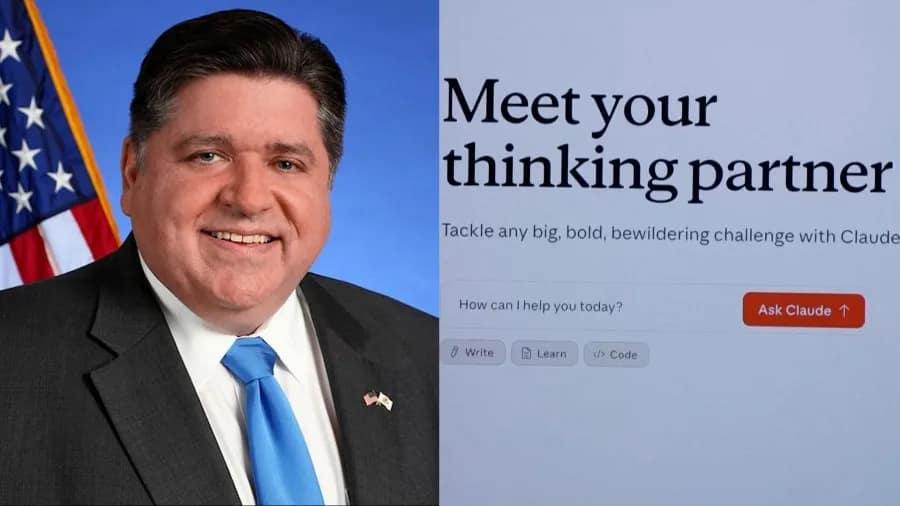
Illinois has taken a significant step in the regulation of artificial intelligence by enacting some of the most stringent AI safety measures in the United States. Governor JB Pritzker signed the Artificial Intelligence Safety Measures Act into law, marking a pivotal moment for state-level oversight of emerging technologies. The legislation introduces several key provisions aimed at ensuring transparency, accountability, and public safety in the development and deployment of large-scale AI systems.
A New Standard for AI Regulation
The new law imposes specific obligations on large AI developers operating within Illinois. These include the requirement to publish their safety practices publicly, which is a crucial step toward fostering trust between technology companies and the communities they serve. Additionally, developers must report significant safety incidents that could harm residents within 72 hours of identifying them. For issues involving an imminent risk of death or serious injury, the reporting window is even tighter—only 24 hours are allowed.
The law also mandates regular independent third-party audits of AI systems to assess their safety and compliance with state regulations. These audits will be conducted by entities outside of the companies themselves, which helps reduce potential conflicts of interest and increases the credibility of the review process. The penalties for non-compliance are substantial: a first offense can result in fines up to $1 million, while subsequent violations may lead to fines as high as $3 million.
A Growing Trend in State-Level AI Regulation
Illinois is not alone in its efforts to regulate artificial intelligence. California and New York have already implemented similar measures, making them pioneers in this area of legislation. The trend reflects a broader concern across the United States about the potential risks associated with advanced AI technologies, including bias, privacy violations, and unintended consequences.
The push for state-level regulation has gained momentum as federal lawmakers have been slow to act on comprehensive AI legislation. This gap has led many states to step in and create their own frameworks, often with a focus on safety, transparency, and ethical considerations. Illinois’ new law is part of this growing movement, signaling that the responsibility for regulating AI may increasingly fall to state governments.
The Role of Independent Audits
One of the most critical aspects of the Illinois legislation is the requirement for independent safety reviews. These audits are designed to ensure that AI systems meet rigorous safety standards and operate in a manner that protects public welfare. The involvement of third-party auditors adds an additional layer of oversight, which can help prevent conflicts of interest and increase the reliability of the review process.
However, the effectiveness of these audits will depend heavily on how they are implemented and who is conducting them. As former Rock Island County Republican Party chair Bill Bloom noted, “It’s all going to come down to how it’s implemented and who’s actually doing the auditing.” This highlights a key challenge in AI regulation: ensuring that the entities responsible for oversight are both qualified and independent.
Why This Matters
The implications of Illinois’ new AI regulations extend beyond the state itself. As one of the first states to implement such comprehensive measures, Illinois is setting a precedent that could influence other jurisdictions. The law’s emphasis on transparency, accountability, and safety represents a shift toward more proactive governance in the face of rapidly evolving technology.
For businesses operating in Illinois, compliance with these regulations will be essential. Companies must not only understand their obligations under the new law but also invest in processes to ensure they meet the required standards. This includes developing robust safety practices, maintaining detailed records, and engaging with third-party auditors to assess their systems regularly.
From a public policy perspective, the legislation underscores the importance of balancing innovation with regulation. While AI has the potential to bring significant benefits, it also poses unique risks that must be managed carefully. The Illinois law serves as a model for how states can take responsibility for ensuring that AI technologies are developed and used in ways that protect individuals and communities.
Interesting Reads
Conclusion
Illinois’ Artificial Intelligence Safety Measures Act represents a bold step forward in the regulation of artificial intelligence. By requiring transparency, regular safety audits, and strict reporting protocols, the law aims to create a safer environment for residents while encouraging responsible innovation. The success of this legislation will depend on its implementation and the integrity of the entities conducting the independent reviews.
As other states continue to explore similar measures, Illinois’ approach may serve as a blueprint for future regulatory efforts. For businesses and developers, compliance with these regulations is not just a legal obligation but also an opportunity to build trust with consumers and stakeholders. For the public, it offers reassurance that their safety and privacy are being prioritized in the development of AI technologies.
Readers should watch for developments in how these regulations are applied in practice, as well as any potential changes or expansions in state-level AI oversight. The landscape of AI regulation is still evolving, and Illinois’ efforts will likely play a significant role in shaping the future of this critical technology.
Original Source
This article is based on publicly available reporting. For the complete original story, visit the publisher’s article.
Leave a Reply