
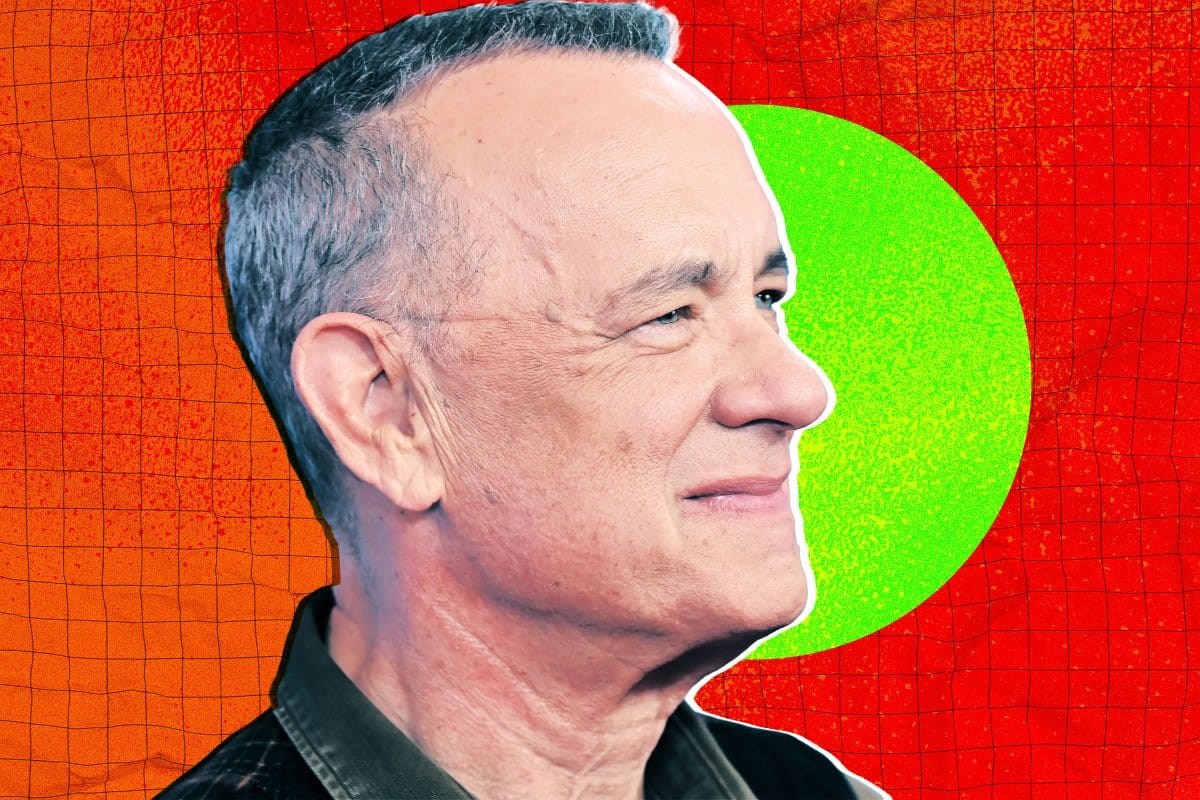
In an era where artificial intelligence is increasingly shaping entertainment, even the most iconic characters are not immune from the technology’s reach. Tom Hanks, whose voice has brought Woody to life since the original Toy Story in 1995, recently voiced his concerns about AI potentially replacing him as the franchise continues to evolve. With Toy Story 5 now in production and more sequels on the horizon, Hanks is contemplating a future where his performance could be replicated by artificial intelligence long after he’s gone — raising questions about authenticity, artistic integrity, and the evolving role of human creativity in Hollywood.
The Longevity of a Franchise
The Toy Story franchise has defied expectations since its debut. Originally conceived as a short film, it evolved into an animated feature that became one of Pixar’s most successful properties. Over three decades, the series has not only maintained relevance but also expanded its universe through multiple sequels, spin-offs, and even live-action adaptations. The longevity of Toy Story is a testament to its universal themes — friendship, loyalty, and growing up — which resonate with audiences across generations.
However, this success comes at a cost. As the franchise continues to grow, so does the pressure on creators to deliver compelling stories that justify each new installment. For Hanks, who has been the voice of Woody since the beginning, the prospect of AI taking over his role is both unsettling and inevitable in an age where technology can replicate human voices with remarkable accuracy.
The Rise of AI in Voice Acting
Artificial intelligence has already begun to influence the world of voice acting. From deepfake videos to AI-generated dubbing, the ability to mimic a person’s voice or even create entirely new characters is becoming more sophisticated. In recent years, studios have experimented with using AI to enhance performances, such as de-aging actors for films like Here (2024), where Hanks himself was involved in an AI-driven project.
The potential for AI to replace human voices in animated films is particularly intriguing. Unlike live-action movies, where physical presence and performance are central, animation relies heavily on voice acting to bring characters to life. With AI capable of analyzing vast amounts of recorded dialogue, it could theoretically recreate a character’s tone, inflection, and even subtle emotional shifts with remarkable precision.
For Hanks, this raises an uncomfortable question: if his voice can be replicated indefinitely by AI, does that mean the essence of Woody — or any character he has ever voiced — is no longer tied to him personally?
The Human Element in Storytelling
Hanks’ concerns are not just about technology; they’re about the human connection that audiences expect from storytelling. In an interview with Entertainment Weekly, he expressed worry that AI-generated content might become so indistinguishable from real work that audiences would no longer care whether a performance was human or machine-made.
“This is what I worry about: that there will be something that will be blatantly AI — created, imagined, produced, the whole bit — and the audience won’t care that it’s AI,” Hanks said. “They’ll just say, ‘Well, it’s AI, but you know, I still watched it.’”
This sentiment reflects a broader debate within the entertainment industry about the role of human creativity versus algorithmic efficiency. While AI can streamline production and reduce costs, it lacks the emotional nuance and unpredictability that make storytelling compelling. Hanks’ point is that audiences are not just passive consumers; they’re participants in a shared experience that relies on trust — between the creator and the viewer.
The Ethical Dilemma of AI in Entertainment
The use of AI in entertainment also raises ethical questions, particularly around consent and ownership. In recent years, Hanks has had to deal with instances where deepfake technology was used without his permission, often for fraudulent or misleading purposes. These experiences have made him wary of how AI could be misused — especially when it comes to characters that are deeply loved by fans.
For a character like Woody, whose voice and personality are so closely tied to Hanks’ performance, the idea of an AI-generated version feels like a betrayal of the original intent. It’s not just about replacing a voice; it’s about preserving the spirit of a character that has become part of cultural memory.
Yet, there is also a practical argument for using AI in animation. If the goal is to continue telling stories without relying on aging actors or unavailable voices, then AI could be seen as a tool rather than a threat. The challenge lies in balancing innovation with respect for the original creators and the audience’s expectations.
What Comes Next?
As Toy Story continues its journey into new territories, the question of how far the franchise can go without losing its soul remains open. Hanks’ concerns highlight a growing tension between technological advancement and artistic integrity — a debate that will likely shape the future of entertainment for years to come.
For now, the focus is on delivering stories that resonate with audiences, regardless of the medium used to bring them to life. Whether or not AI plays a role in future Toy Story films, one thing remains clear: the characters and their emotional journeys are what make the franchise endure — and that will always require something more than just a voice.
Interesting Reads
Conclusion
Tom Hanks’ worries about AI replacing his performance as Woody reflect a broader conversation about the intersection of technology and storytelling. As artificial intelligence becomes increasingly capable of replicating human voices and performances, creators must navigate the balance between innovation and authenticity. While AI offers new possibilities for extending beloved franchises like Toy Story, it also raises important questions about ownership, consent, and the emotional connection that audiences expect from their favorite characters.
For fans of Toy Story, the real question is not whether Woody will return in future films — but whether the story itself will continue to evolve in meaningful ways. As long as there are compelling narratives to tell and passionate voices to share, the franchise will endure — even if some of those voices are no longer human.
Original Source
This article is based on publicly available reporting. For the complete original story, visit the publisher’s article.
Leave a Reply