
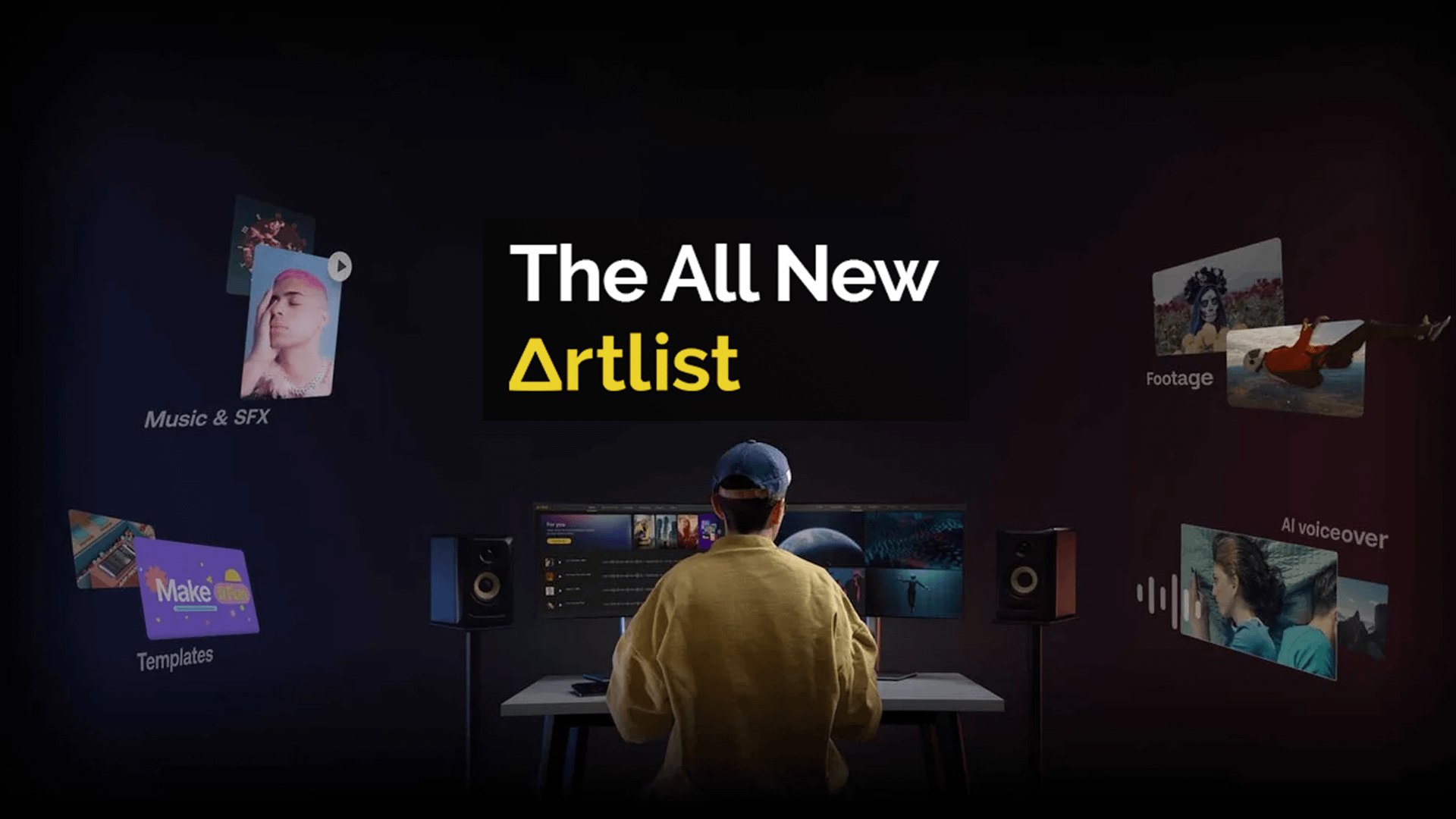
Scroll through YouTube for five minutes and you’ll see it. A cinematic montage.
A creator smiling at their timeline. A voice saying something like: “I made this entire video with AI.” And somewhere in that stack of ads, you’ll find Artlist AI.
It promises a lot:
- AI-generated music
- AI voiceovers
- AI video creation tools
- All wrapped inside a creator-friendly platform
It looks clean. It looks powerful. It looks… almost too easy. But that raises the obvious question:
Is Artlist AI actually that good—or just really well marketed?
Let’s break it down.
What Artlist AI is actually trying to be
Artlist didn’t start as an AI company.
It built its reputation as a premium stock music and footage platform, used by YouTubers, agencies, and filmmakers who wanted high-quality assets without licensing headaches. That context matters.
Because Artlist AI isn’t trying to compete with ChatGPT or Midjourney directly. It’s aiming for something more specific:
👉 An all-in-one creative production layer for content creators
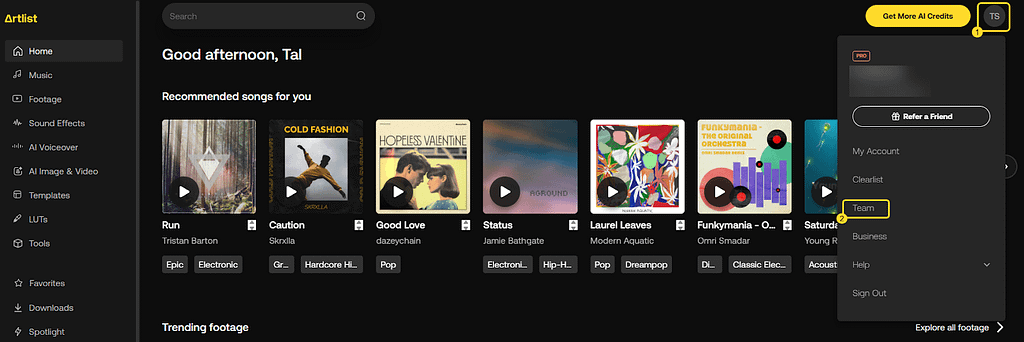
Instead of jumping between tools like:
- ElevenLabs (voice)
- Runway (video)
- Midjourney (visuals)
- Epidemic Sound (music)
Artlist is positioning itself as:
“Why not just do everything here?”
That’s a strong pitch. But strong pitches don’t always translate into strong products.
The core features (and what they actually feel like)
Let’s look beyond the marketing and into the actual experience.
AI music generation
Artlist has integrated AI music tools that allow users to generate tracks based on mood, genre, and usage. On paper, this sounds like a game changer. In practice? It’s… solid, but not revolutionary. The output is:
- Clean
- Usable
- Safe
But often predictable.
This is where Artlist’s DNA shows. Their traditional music library is still stronger. The AI-generated tracks feel like extensions of stock music—not bold creative leaps.
👉 Great for background content
👉 Less ideal for standout, memorable soundtracks
AI voiceovers
This is one of their more interesting additions. You can generate voiceovers directly in-platform, removing the need for external tools. Compared to top-tier tools like ElevenLabs:
- Artlist voices are good, but not best-in-class
- They’re usable for content
- But slightly lack emotional nuance
That said, the integration advantage is huge. You don’t need to export/import across tools. For creators, that friction reduction matters more than perfection.
AI video tools & editing workflow
Artlist is clearly pushing toward becoming a creator OS. You get:
- Stock footage
- Templates
- Editing tools
- AI-assisted workflows
But here’s the reality:
👉 It’s not replacing dedicated tools like Premiere Pro or DaVinci Resolve
👉 It’s not as experimental as Runway or Pika
Instead, it sits in a middle ground:
Fast. Accessible. Controlled.
Think:
“I need a clean, professional video quickly”
Not:
“I want to experiment with cutting-edge AI filmmaking”
The real feature: integration
This is the part most ads don’t explicitly say—but it’s the real product. Artlist AI isn’t winning because each feature is the best. It’s winning because:
Everything is in one place
And in 2026, that matters more than ever. Creators are tired of tool overload. The real value isn’t just output quality. It’s:
- Speed
- Workflow simplicity
- Fewer tabs open at 2AM
The marketing vs reality gap
Let’s address the elephant in the room. Artlist’s ads are everywhere—and they’re very polished. They often imply:
- Fully AI-generated cinematic videos
- Seamless creative workflows
- Studio-quality output with minimal effort
And yes… you can get close to that. But not without:
- Creative direction
- Editing decisions
- Human judgment
This isn’t a “press button, get masterpiece” tool. It’s more like:
“Press button, get 70% there—and then finish the job yourself”
Which, to be fair, is still incredibly valuable. But it’s not magic.
Who Artlist AI is actually for
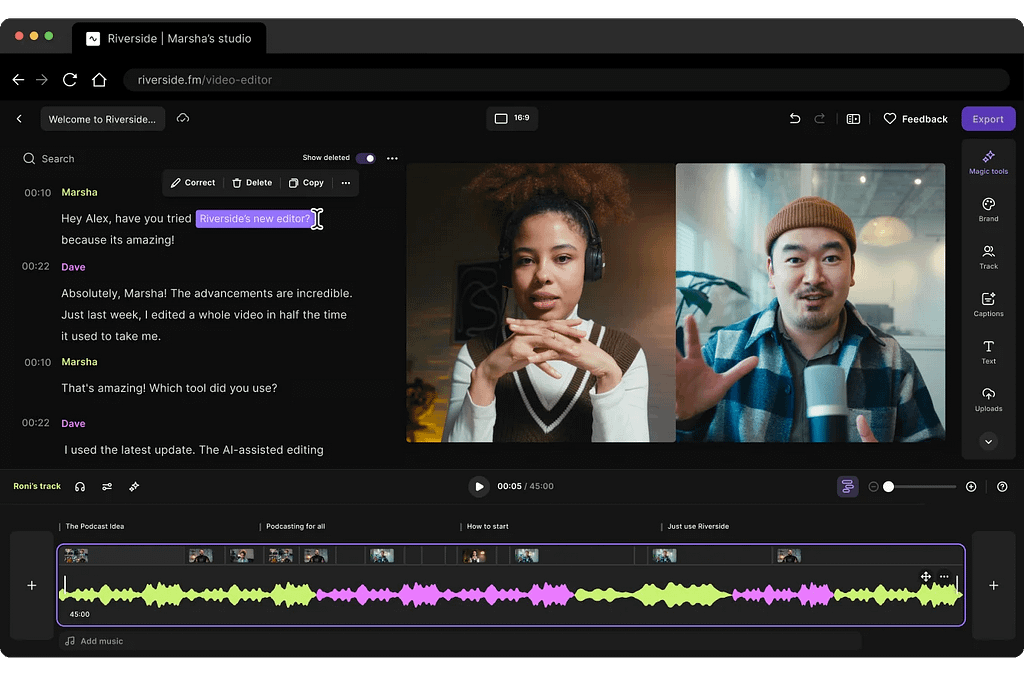
This is where things get clearer. Artlist AI makes the most sense for:
Content creators (YouTube, TikTok, ads)
- Need fast turnaround
- Want decent quality without complexity
- Value convenience over perfection
Agencies with volume output
- Need scalable production
- Care about workflow efficiency
- Prefer integrated tools
Less ideal for:
- High-end filmmakers
- Experimental AI creators
- People chasing cutting-edge visuals
Those users will still prefer:
- Runway
- Midjourney
- Custom pipelines
The bigger trend: AI tool consolidation
Artlist AI is part of a much larger shift. We’re moving from:
👉 “Best tool for each task”
To:
👉 “Good-enough tools in one ecosystem”
And that’s happening everywhere. Instead of:
- 10 tabs
- 5 subscriptions
- Constant exporting
Platforms are racing to become:
The place where everything happens
This mirrors what’s happening across AI tools more broadly. If you’ve followed the evolution of platforms like GPT-5 or Gemini, you’ll notice the same pattern—more integration, less fragmentation.
Artlist is simply applying that philosophy to creative production.
So… is it worth it?
Here’s the honest answer. Yes—if you understand what it actually is. Not:
- The most advanced AI tool
- The most creative output engine
But:
- A highly efficient creator platform
- A workflow simplifier
- A time-saving machine
If you expect perfection, you’ll be disappointed. If you expect speed and convenience, you’ll probably be impressed.
The final take
Artlist AI isn’t lying. But it is selling the best-case version of itself. And that’s normal. The real value of the platform isn’t in any single feature—it’s in the removal of friction. In a world where creators are overwhelmed by tools, options, and complexity… That might actually be the most powerful feature of all. Because sometimes, the best AI tool isn’t the smartest one. It’s the one that gets out of your way.
Leave a Reply